




Thunderstorm asthma: What parents need to know before spring storms
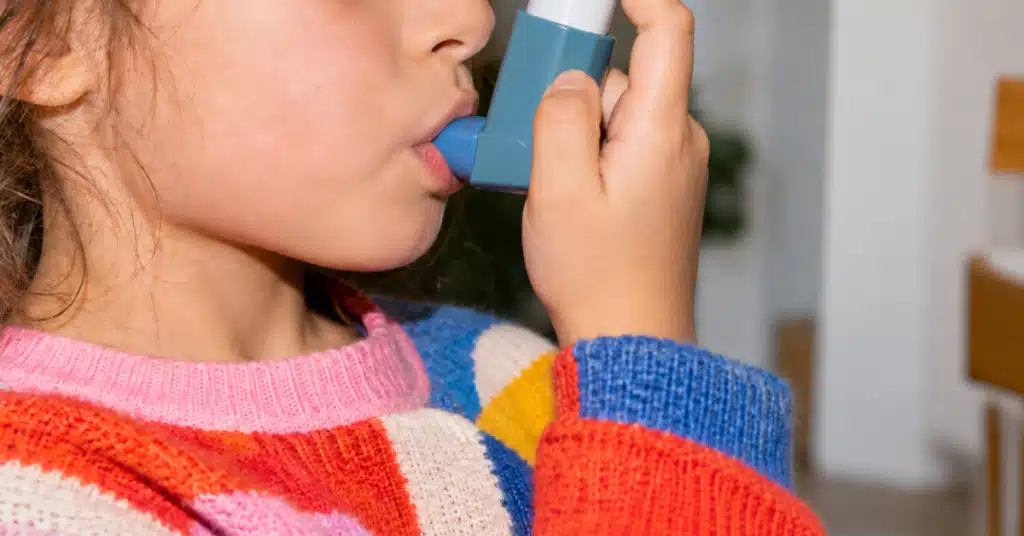



Thunderstorm asthma is uncommon, but it can cause breathing problems quickly in people with asthma or spring hay fever. Here’s what Australian parents should know before pollen season and spring storms arrive.
Spring storms can feel like welcome relief after a run of warm, windy days, but for some families they bring a less obvious health risk.
Thunderstorm asthma can happen when high levels of grass pollen combine with particular thunderstorm conditions, creating tiny allergen particles that can be breathed deep into the lungs. For people who are susceptible, this can trigger asthma symptoms such as coughing, wheezing, chest tightness and shortness of breath, sometimes very quickly.
It’s not something every family needs to worry about every time clouds roll in. Thunderstorm asthma events are uncommon and require a particular combination of pollen and weather conditions. However, children and adults with asthma, a history of asthma or springtime hay fever can be at increased risk, which makes spring a useful time to check that your family knows what to do.
What exactly is thunderstorm asthma?
Grass pollen grains are normally large enough that much of the pollen we breathe is filtered in the nose, where it tends to cause familiar hay-fever symptoms such as sneezing, congestion and itchy eyes.
During certain thunderstorms, however, grass pollen can be swept into the air, absorb moisture and break into much smaller allergen-containing particles. Strong winds associated with the storm can then carry those particles close to ground level, where they are small enough to travel deeper into the lungs.
For someone whose airways are sensitive to pollen, that sudden exposure can trigger asthma symptoms.
The period just before the rain can be particularly important because thunderstorm asthma can occur during the windy conditions ahead of a storm, rather than once the rain has already arrived.
Sign up
Get tailored content based on your week of pregnancy
By signing up, you agree to receiving our Newsletters. Cancel anytime.


When is thunderstorm asthma season in Australia?
Thunderstorm asthma is mainly associated with spring and early summer, when grass pollen levels are high. The exact timing varies around Australia according to local pollen seasons and weather.
South-eastern Australia receives particular attention because conditions there have produced major events in the past. In Victoria, the grass pollen season is typically considered to run from 1 October to 31 December, and a daily epidemic thunderstorm asthma risk forecast operates during that period.
Melbourne experienced the world’s largest recorded epidemic thunderstorm asthma event on 21 November 2016, when thousands of people developed breathing difficulties within a short period. That event led Victoria to introduce a dedicated forecasting and public-health program.
For families elsewhere in Australia, the broader message is still useful: if your child has asthma or significant pollen allergy, pay attention to pollen levels and storm forecasts during your local grass-pollen season.
Which children are most at risk?
A child doesn’t necessarily need to have diagnosed asthma to be potentially affected.
People considered at increased risk include those with current asthma, past asthma, undiagnosed asthma or seasonal hay fever, particularly when that hay fever is caused by grass pollen. Having both asthma and hay fever can increase the risk further, as can asthma that isn’t well controlled.
This is an important distinction for parents because hay fever can look relatively harmless: lots of sneezing, itchy eyes and a permanently occupied tissue box. Pollen, however, can affect the lower airways as well as the nose and eyes.
If your child usually gets hay fever but has also experienced wheezing, breathlessness, chest tightness or persistent coughing during spring, it’s worth discussing those symptoms with your GP.
Can a child get thunderstorm asthma if they’ve never had asthma?
Yes.
One of the reasons thunderstorm asthma deserves awareness is that an episode can occasionally be the first time someone experiences obvious asthma symptoms. People with undiagnosed asthma or seasonal hay fever may develop symptoms during the right combination of pollen and weather conditions.
That doesn’t mean a child with hay fever is likely to suddenly have an asthma attack whenever there’s a thunderstorm. These events are uncommon.
It does mean parents shouldn’t dismiss new wheezing, chest tightness or difficulty breathing as “just hay fever”, particularly when it appears around a storm during pollen season.
What does thunderstorm asthma look like in children?
Thunderstorm asthma causes the same kinds of breathing symptoms seen in asthma generally, including wheezing, shortness of breath, chest tightness and persistent coughing. Symptoms can appear quickly and may become serious.
In children, asthma symptoms don’t always arrive with an obvious dramatic wheeze. A child might complain that their chest feels tight, say they can’t get enough air, cough repeatedly or become unusually breathless.
Significant breathing difficulty should always be taken seriously.
If you know your child has asthma, it’s worth being familiar with their usual warning signs rather than waiting for one textbook symptom to appear.
Hay fever and thunderstorm asthma: What’s the connection?
Hay fever and asthma affect different parts of the respiratory system, but they can be closely connected.
Hay fever, or allergic rhinitis, mainly affects the nose and upper airways, causing symptoms such as sneezing, an itchy or congested nose and watery eyes. Asthma affects the airways in the lungs.
Grass pollen can trigger both, and people with hay fever can be more vulnerable to asthma symptoms, particularly if they are sensitive to grass pollen.
So if your child’s spring symptoms have historically been limited to an itchy nose and eyes, pay attention if coughing, wheezing, chest tightness or breathlessness starts appearing too.
That change is worth discussing with your GP rather than assuming their hay fever has simply become more annoying this year.
How can parents prepare before a spring storm?
The best preparation starts before there’s thunder on the radar.
If your child has asthma, their condition should be reviewed regularly and they should have an up-to-date written Asthma Action Plan explaining their usual medicines, what to do if symptoms worsen and when emergency help is needed. Schools, childcare services and other regular carers should also have access to the current plan.
For families dealing with spring hay fever, managing the allergy properly matters too. If symptoms are significant or recurring, speak with your GP about a treatment plan and make sure both asthma and allergy symptoms are being well managed during pollen season.
On days when pollen is high and thunderstorms are forecast, the main precautions are to monitor local weather and pollen information, make sure prescribed reliever medicine is accessible and reduce exposure to the gusty outdoor air around the storm.
Going indoors, closing windows and doors and setting air conditioning to recirculate rather than drawing outside air into the home can help reduce exposure.
Children who are outside at sport, school or after-school activities also need the adults caring for them to know about their asthma and where their medication and action plan are kept.
Do you need to stay indoors for every thunderstorm?
No.
Thunderstorm asthma requires a relatively unusual combination of high grass-pollen levels and particular thunderstorm conditions, so not every spring storm carries the same risk.
If your child is at increased risk, though, it makes sense to be more cautious on high-pollen days when thunderstorms are approaching, particularly around the strong wind gusts that can arrive before the rain.
That might mean bringing outdoor play inside, leaving sport early or closing up the house before the storm reaches your area.
The aim isn’t to make children nervous whenever they hear thunder. It’s to recognise the specific conditions in which a little extra planning is sensible.
How can I check the thunderstorm asthma risk?
Parents can use weather forecasts and local pollen services to monitor conditions during spring and early summer.
Victoria also has a dedicated epidemic thunderstorm asthma risk forecast, which runs during the grass pollen season from 1 October to 31 December. It combines pollen and weather forecasts and classifies the risk as low, moderate or high.
Victorian families can also keep an eye on public advice and warnings when the risk is elevated.
It’s worth remembering that a forecast is a preparedness tool rather than a guarantee. A higher-risk forecast doesn’t mean an event definitely will happen, while a low forecast doesn’t replace good asthma management.
Should my child carry a reliever puffer during pollen season?
If your child has been prescribed an asthma reliever, they should have access to it according to their Asthma Action Plan and their doctor’s advice.
Children at risk of thunderstorm asthma should continue their prescribed asthma treatment during pollen season and keep their reliever accessible.
Don’t start or change asthma medicine for your child based solely on an approaching storm. If your child has hay fever but no asthma diagnosis and you’re concerned about their risk, speak with your GP or pharmacist about the appropriate plan for them.
This matters because asthma treatment can differ according to a child’s age, symptoms and the type of inhaler they use.
What should I do if my child develops asthma symptoms during a storm?
If your child has an Asthma Action Plan, follow it immediately.
Asthma first aid can differ according to a child’s age and the type of reliever medicine they use, so follow the current instructions provided for your child rather than relying on an old or generic plan.
Call Triple Zero (000) for an ambulance if your child is having severe trouble breathing, their condition is rapidly worsening or you’re concerned they are experiencing a severe asthma attack.
If your child develops wheezing, chest tightness or shortness of breath for the first time during a thunderstorm, they should also be assessed by a doctor even if the episode settles.
What should schools and carers know?
If your child has asthma, anyone regularly responsible for them should know.
That includes school, childcare, grandparents, babysitters and sports coaches.
Their carers should have access to the child’s current Asthma Action Plan, know where their reliever medicine and spacer are kept and know how to respond if breathing symptoms begin.
For older children, it also helps to build their confidence in recognising their early symptoms and knowing which adult to tell straight away.
The message doesn’t need to be frightening. It can be as simple as:
“If your chest feels tight, you start wheezing or it suddenly feels hard to breathe, tell an adult straight away.”
Five things to do before thunderstorm asthma season
- Review your child’s asthma or hay-fever management. If spring pollen regularly causes symptoms, speak with your GP before the peak season rather than waiting for a stormy day.
- Make sure their Asthma Action Plan is current. Keep copies wherever your child is regularly cared for.
- Check their medicine and technique. Make sure prescribed inhalers aren’t empty or expired and ask your GP or pharmacist to check inhaler and spacer technique if you’re unsure.
- Watch pollen and weather forecasts. If high grass-pollen levels and storms coincide, reduce your child’s exposure to the windy conditions around the storm.
- Know when breathing symptoms are an emergency. Severe or rapidly worsening difficulty breathing needs urgent medical help via Triple Zero (000).
Thunderstorm asthma isn’t a reason to fear spring
The term thunderstorm asthma can sound alarming, particularly once you know that symptoms can appear quickly.
But awareness is very different from expecting something bad to happen.
These events are uncommon, and for families with asthma or hay fever, the most useful response is straightforward: keep those conditions well managed, know your child’s plan, watch the forecast when pollen levels are high and take new breathing symptoms seriously.
It’s another piece of spring preparation, alongside remembering the sunscreen, tissues and, depending on your neighbourhood, keeping one eye on the local magpies.
FAQs
Can children get thunderstorm asthma?
Yes. Thunderstorm asthma can affect people with current, past or undiagnosed asthma and people with seasonal hay fever. Children with asthma or grass-pollen allergy may therefore be at risk during the right pollen and weather conditions.
Can thunderstorm asthma happen without previous asthma?
Yes. Some people experience asthma symptoms during a thunderstorm event even though they have never previously been diagnosed with asthma. Spring hay fever, particularly sensitivity to grass pollen, can be an important risk factor.
What are the symptoms of thunderstorm asthma?
Symptoms include wheezing, shortness of breath, chest tightness and persistent coughing. They can develop and worsen quickly.
Is every spring thunderstorm dangerous for children with asthma?
No. Thunderstorm asthma requires a particular combination of high pollen levels and certain storm conditions, and epidemic events are uncommon. Children with asthma should still keep their condition well controlled and follow their Asthma Action Plan throughout pollen season.
Why is hay fever a risk factor for thunderstorm asthma?
Many cases are linked to grass-pollen allergy. During certain thunderstorms, pollen can break into tiny allergen-containing particles that are small enough to enter the lungs and trigger asthma symptoms.
When should I call an ambulance?
Call Triple Zero (000) if your child is having severe difficulty breathing or appears to be having a severe asthma attack. If you’re unsure how to manage an asthma episode, follow your child’s Asthma Action Plan and seek urgent medical help when symptoms are severe or rapidly worsening.
Related Articles


Loved this article?
Share with a friend