



Spring sun safety for kids: Why cool days can still burn
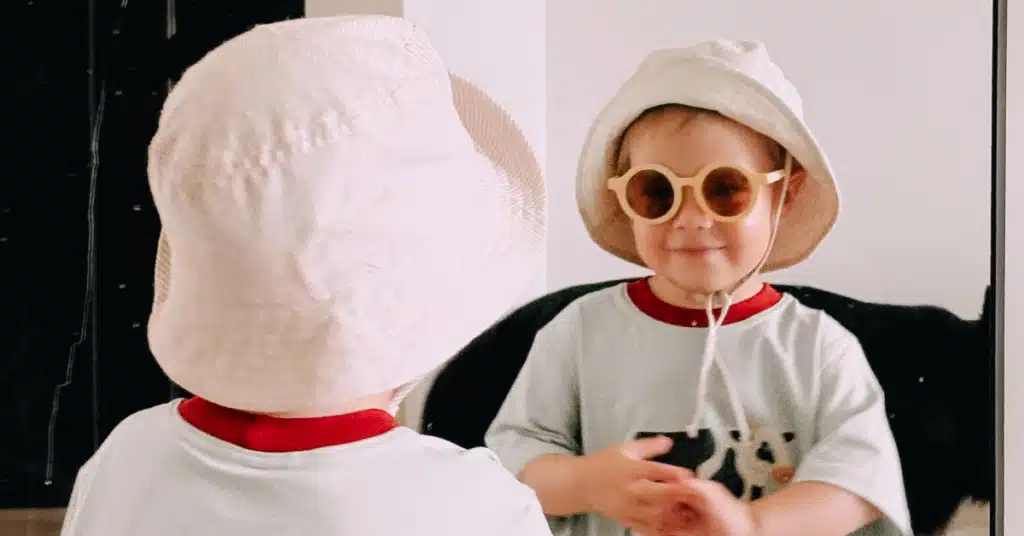


A cool breeze and a cloudy sky can make sunscreen feel unnecessary, but neither tells you how strong the UV is. Here’s what Australian parents need to know about protecting children’s skin this spring.
Spring sun safety: Why kids can still burn on cool or cloudy days
Spring has a way of making outdoor plans feel wonderfully easy again. The playground equipment is no longer too hot to touch, weekend sport is in full swing, and a 21-degree afternoon can feel so mild that sunscreen barely crosses your mind.
Unfortunately, UV radiation doesn’t check the temperature before turning up.
Children can still get sunburnt on cool and cloudy days, and Australian authorities consistently advise that temperature isn’t a reliable way to judge whether sun protection is needed. The Bureau of Meteorology notes that UV can remain high on cool or overcast days, particularly through spring and summer, because UV levels are determined by factors such as the sun’s position, location, season, ozone and cloud conditions rather than simply how warm it feels.
For parents, the useful rule is much simpler: check the UV, not the temperature.
Why can children still burn when it’s cloudy?
Clouds can reduce UV radiation, particularly when they are thick and widespread, but a cloudy sky doesn’t automatically mean UV levels are low.
Thin or scattered cloud can allow significant UV through, and the edges of clouds can sometimes reflect UV and increase the amount reaching the ground. That means a grey-looking spring day can still deliver enough ultraviolet radiation to damage unprotected skin.
Unlike heat, UV also isn’t something you can reliably feel. Your child might be happily running around the park without feeling particularly hot while their skin is still being exposed.
This is partly why spring can catch families out. We tend to associate sunburn with hot beach days, when in reality the cool playground morning, Saturday soccer game or slightly overcast school-holiday picnic can deliver plenty of UV too.
Sign up
Get tailored content based on your week of pregnancy
By signing up, you agree to receiving our Newsletters. Cancel anytime.


Can you really get sunburnt on a cool day?
Yes.
The Bureau of Meteorology is very clear that UV levels aren’t directly related to temperature. UV tends to peak around the middle of the day, whereas the temperature may continue rising later into the afternoon.
ARPANSA similarly warns that UV levels can be high on cool days and that using temperature to decide whether sun protection is necessary can leave people under-protected.
So a 19°C spring day can potentially require more sun protection than parents expect, while a warmer day at another time of year might have lower UV.
The number worth checking is the UV Index.
What UV level means children need sun protection?
Australian guidance recommends sun protection when the UV Index is 3 or above. At that level, UV radiation is strong enough to damage unprotected skin.
The UV Index is divided into:
- 1–2: low
- 3–5: moderate
- 6–7: high
- 8–10: very high
- 11+: extreme.
You can find your local UV forecast through the Bureau of Meteorology or the SunSmart app. BOM forecasts also provide the sun protection times for the day, which can be more useful than trying to remember particular hours.
For parents, that means the morning routine can become less about looking out the window and more about checking one number.
Cloudy? Check the UV.
Cool? Check the UV.
Sunny enough to immediately make you think sunscreen? Definitely check the UV.
Why spring can be particularly deceptive
Spring weather often feels mild enough that sun protection slips out of the routine it had during summer.
The problem is that UV begins climbing well before the weather starts feeling genuinely hot. Cancer Institute NSW notes that UV levels in New South Wales are high from August through May, so sun protection can be necessary through much of spring even on cooler days. UV patterns vary across Australia, with northern parts of the country generally experiencing higher levels for more of the year.
Spring also tends to bring more time outside. Kids are back at weekend sport, school playgrounds, bike rides, picnics and school-holiday adventures, so even moderate UV exposure can add up across a long day outdoors.
ARPANSA notes that the UV dose we accumulate over time matters, and that UV exposure during childhood contributes to future skin-cancer risk.
What sun protection do children actually need?
Sunscreen matters, but it shouldn’t have to do all the work.
Cancer Council recommends using the five SunSmart measures whenever UV reaches 3 or above: protective clothing, sunscreen, a suitable hat, shade and sunglasses.
Slip on protective clothing
Clothing creates a physical barrier between skin and UV, which makes it one of the simplest forms of protection.
Look for clothing that covers more skin and is made from tightly woven fabric. For long outdoor days, garments with a UPF rating can make choosing protective clothing easier.
For swimming, long-sleeved rashies can cover far more skin than repeatedly trying to chase a wet, sandy child around with a bottle of sunscreen.
Slop on SPF50 or higher sunscreen
Cancer Council Australia recommends broad-spectrum, water-resistant SPF50 or higher sunscreen, applied to exposed skin when the UV is 3 or above.
Apply it around 20 minutes before going outside, then reapply every two hours and after swimming, sweating or towel-drying.
Areas that are easy to miss include ears, the back of the neck, shoulders, hands and the tops of feet.
It’s also worth checking the expiry date on the bottle and where it has been stored. Cancer Council advises storing sunscreen below 30°C because prolonged heat can affect the product, which means the glovebox of a hot car isn’t an ideal permanent sunscreen cupboard.
Slap on a proper hat
A baseball cap might shade the forehead, but it leaves ears, cheeks and much of the neck exposed.
Cancer Council recommends broad-brimmed, bucket or legionnaire-style hats that properly shade the face, head, ears and neck. For children, the brim should be appropriately sized to shade the face.
This is also one of those parenting habits where modelling helps. If everyone grabs a hat before heading out, it starts to feel less like another rule specifically designed to ruin your child’s day.
Seek shade — but don’t rely on it alone
Shade can significantly reduce UV exposure, but it isn’t complete protection.
UV can still reach children through scattered radiation or reflection from surfaces such as sand, concrete and water, so shade works best when it’s combined with clothing, hats and sunscreen.
When planning a long playground or picnic day, choosing a location with decent shade can still make the whole job much easier.
Slide on sunglasses
Children’s eyes need UV protection too.
Look for close-fitting sunglasses that meet Australian standards, and pair them with a broad-brimmed hat when practical. Cancer Council notes that sunglasses and a broad-brimmed hat together can substantially reduce UV exposure to the eyes.
Toy or fashion sunglasses aren’t necessarily designed to provide adequate UV protection, so check the labelling rather than choosing purely on the basis of how strongly your child feels about the glittery frames.
Do kids need sunscreen before school?
If the UV is forecast to reach 3 or above, applying sunscreen before leaving home can make sun protection part of the morning routine rather than something you have to remember later.
Raising Children Network recommends putting sunscreen on children before school, preschool or childcare and encouraging older children to reapply before outdoor activities such as recess, lunch or sport when required.
How sunscreen is managed during the day will vary between schools and childcare services, so it’s worth knowing your child’s policy, particularly if they have outdoor sport or an excursion coming up.
For older children, keeping a small sunscreen in their school or sports bag can help them start taking responsibility for reapplying it themselves.
What about babies?
Babies need particularly careful sun protection.
Current Australian guidance recommends keeping children under 12 months out of direct sun when UV is 3 or above and relying primarily on shade, clothing and suitable hats.
For babies under six months, Cancer Council advises minimising sunscreen use and prioritising physical protection such as clothing, hats and shade.
One important pram-safety note: don’t drape a blanket or cloth over the pram to create shade, because this can restrict airflow and cause the temperature inside to rise dangerously. Use the pram’s shade or another sun-safe cover designed to maintain airflow instead.
Does my child still need protection if they’re sitting in the shade?
Often, yes — particularly when the UV is 3 or above.
Shade reduces direct UV but doesn’t eliminate all exposure. UV can be scattered through the sky and reflected from surfaces around children, including sand, water and concrete.
Think of shade as one layer of protection rather than permission to abandon the hat and sunscreen.
The same applies at the beach. Water, white surf and sand can reflect UV, which is another reason beach days need a combination of protective measures rather than sunscreen alone.
What if my child gets sunburnt?
Sometimes, despite the best intentions, a patch gets missed or an outdoor activity goes longer than expected.
Mild sunburn can usually be managed by getting your child out of the sun, cooling the skin with a cool bath or cool damp towels, encouraging fluids and using a simple moisturiser. Avoid putting ice directly onto burnt skin.
Sunburn symptoms may not appear immediately and can become most noticeable hours after UV exposure.
Seek medical advice if your child has severe pain, significant blistering, signs of dehydration or other symptoms of severe sunburn. Raising Children Network recommends prompt medical care for severe sunburn, including symptoms such as extensive blistering, swelling, vomiting, dizziness, headache or fever.
Make checking the UV as normal as checking the weather
Most parents already glance at the forecast before deciding whether children need a jumper, raincoat or sandals.
Adding the UV Index to that check is one of the easiest ways to avoid being caught out in spring.
You don’t need to become an amateur meteorologist, and you don’t need to assume every cloudy day is dangerous. You simply need to stop using heat and sunshine as the deciding factors.
When the UV is 3 or above, think Slip, Slop, Slap, Seek and Slide.
That way, kids can keep making the most of spring — even on those deceptively mild days when the jumper stays on and the sunscreen still needs to come out.
FAQs
Can children get sunburnt when it’s cloudy?
Yes. Cloud cover doesn’t necessarily block enough UV to prevent skin damage. Thin and scattered clouds may do little to reduce UV, and children can still burn on overcast days.
Can kids get sunburnt when it’s cold?
Yes. UV levels aren’t directly related to temperature, so a cool day can still have high UV. The Bureau of Meteorology recommends using the UV Index rather than temperature to decide when sun protection is needed.
At what UV level should children wear sunscreen?
Australian guidance recommends sun protection when the UV Index reaches 3 or above. Cancer Council recommends SPF50 or higher broad-spectrum, water-resistant sunscreen as one part of a broader sun-protection routine.
How often should sunscreen be reapplied on children?
Cancer Council recommends reapplying sunscreen every two hours, as well as after swimming, sweating or towel-drying.
Should babies wear sunscreen?
For babies under six months, Australian guidance recommends relying mainly on shade, clothing and hats and minimising sunscreen use. Babies and young children should be kept out of direct sun as much as possible when UV levels are high.
Where can I check today’s UV level?
You can check local UV forecasts and sun-protection times through the Bureau of Meteorology or the SunSmart app.
Related Articles


Loved this article?
Share with a friend