




When your child doesn’t want to go back to school after the holidays
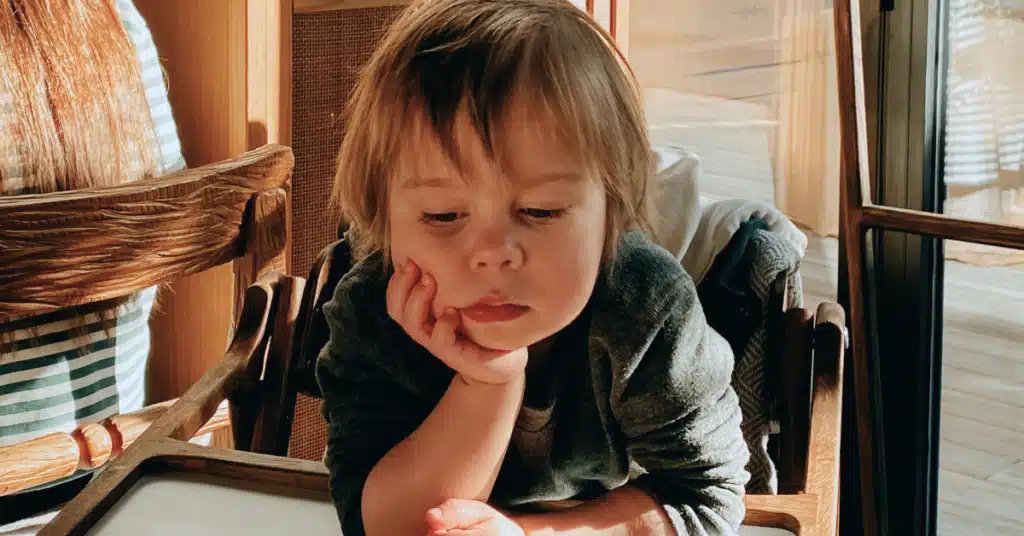



A child who doesn’t want the holidays to end is one thing. A child who is genuinely worried about going back to school may need something different. Here’s how to tell what might be going on and help them through the transition.
School holidays have a way of making ordinary life feel pleasantly optional.
Mornings are slower, lunch does not need to survive four hours in a school bag, and children generally have more control over what happens next. Even when the holidays are busy, they usually contain fewer bells, deadlines, uniforms and expectations.
So it is not especially surprising when the final Sunday arrives and a child announces, with considerable conviction, “I don’t want to go back to school.”
Sometimes that simply means they would prefer another week of sleeping in and seeing friends on their own terms. Fair enough.
Other times, the resistance feels different. Your child becomes tearful, worried or angry whenever school is mentioned. They complain of a sore tummy on Sunday night, struggle to sleep or repeatedly ask whether they really have to go.
The first step is not necessarily convincing them that school will be fine. It is working out what they are actually telling you.
Not wanting the holidays to end is pretty normal
There is a big difference between “I wish the holidays were longer” and “Going back to school feels unbearable.”
Most children will occasionally prefer home to school, particularly after a break. They have moved from more freedom and family time back into a structured environment where other people decide what happens, when they eat, where they sit and what they have to do.
They might also simply be tired. The first few weeks of a new term can involve early mornings, sport, homework and extracurricular activities suddenly returning all at once.
A bit of grumbling does not necessarily require intervention. You can acknowledge it without immediately trying to make the feeling disappear.
Something as simple as, “I know. It’s hard when the holidays finish,” can be more helpful than insisting, “But you love school!”
Your child can enjoy school and still not feel enthusiastic about returning to it.
Sign up
Get tailored content based on your week of pregnancy
By signing up, you agree to receiving our Newsletters. Cancel anytime.


Ask what part of going back feels hard
If the reluctance feels stronger than ordinary end-of-holiday disappointment, get specific.
Asking, “Why don’t you want to go to school?” may sound straightforward, but it can be difficult for a child to answer. They might not know exactly why, or they may be worried about saying it out loud.
Try breaking the question down:
- “Is there something about the classroom you’re worried about?”
- “How are things with your friends?”
- “Is there anything at school that feels harder than it used to?”
- “What part of Monday are you thinking about most?”
- “Does going back feel scary, annoying, tiring or something else?”
- “Is there anything you wish was different at school?”
You are not interrogating them. You are helping them narrow down a feeling that may currently just look like one enormous NO.
And if their answer is “I don’t know”, that does not necessarily mean there is nothing going on. They may need more time to work it out.
Sometimes the problem is friendship
Holidays can create a natural pause in school friendships, which is lovely when things are going well and potentially uncomfortable when they are not.
Your child may be wondering whether they will still have someone to sit with, whether an argument has really blown over or whether a friendship group has shifted while everyone was apart.
Older children may also have been communicating with friends throughout the holidays, which means friendship problems do not necessarily stop just because school does.
Instead of asking only, “Is someone bullying you?”, which can feel like an enormous question, ask about the everyday parts of school life.
“Who are you looking forward to seeing?”
“Who do you usually spend recess with?”
“Has anything been weird with your friends lately?”
Sometimes those smaller questions reveal much more.
The schoolwork might be worrying them
Children do not always say, “I’m anxious because I’m struggling academically.”
They might say school is boring. They might become angry when homework is mentioned, complain that a teacher does not like them or suddenly decide they never want to go back.
If your child has found reading, maths, writing or another subject increasingly difficult, the return to school may mean returning to a place where they regularly feel behind.
The same can happen with older children facing tests, assignments or the pressure of catching up.
Try asking whether there is anything at school that makes them feel stuck, embarrassed or worried about getting things wrong.
If learning is part of the problem, involving their teacher early can be useful. The goal is not to promise that the work will disappear, but to make sure your child does not feel they are facing it alone.
They may be worried about a teacher
Children can feel surprisingly powerless when a relationship with a teacher does not feel comfortable.
That does not automatically mean the teacher has done something wrong. Your child may find their style stricter than they are used to, feel embarrassed about being corrected or simply not feel understood.
Listen before deciding whose interpretation is correct.
You might say, “What happens that makes you feel worried around them?” rather than, “I’m sure your teacher doesn’t mean it like that.”
If there is a recurring issue, a calm conversation with the teacher can help you understand what is happening from both sides and work out whether anything needs to change.
The return to separation can feel difficult too
For younger children, the holidays may have meant much more time with parents or carers. Going back to school can bring separation feelings back to the surface, particularly for children who already find drop-off difficult.
You may see clinginess, tears, tummy aches or repeated questions about when you will pick them up.
In these cases, predictability can help. Be clear about who is dropping them off, what will happen after school and when you will see them again.
Try to keep goodbye warm but confident. Long negotiations at the classroom door can sometimes make separation feel even bigger.
A simple routine such as a hug, a familiar phrase and a clear goodbye can provide reassurance without suggesting there is something to fear.
Physical complaints can be real, even when anxiety is involved
“My tummy hurts” five minutes before leaving for school can be frustrating, particularly when the same child appeared perfectly healthy while eating breakfast.
But physical symptoms linked with anxiety are not necessarily pretend.
Worry can show up as headaches, stomach pain, nausea, racing heart, tiredness or difficulty sleeping. Younger children in particular may notice the physical sensation long before they can identify the emotion underneath it.
You still want to consider whether your child is actually unwell, of course. But when the same symptom repeatedly appears around school and disappears once the pressure is removed, it is worth exploring whether worry is playing a role.
Try: “I believe that your tummy hurts. Sometimes our bodies feel worry before our brains know what to call it. Is there anything about school your tummy might be worried about?”
The aim is not to tell them the symptom is imaginary. It is to help them connect what their body is experiencing with what may be happening emotionally.
Try not to promise that nothing bad will happen
When a child is anxious, reassurance comes naturally.
“You’ll be fine.”
“There’s nothing to worry about.”
“Nobody is going to be mean to you.”
The intention is comforting, but none of us can actually guarantee how a school day will unfold.
A more useful kind of reassurance focuses on what your child can rely on:
“If something is hard, there are adults who can help.”
“We can talk to your teacher together.”
“You don’t have to solve everything on your own.”
“Whatever happens tomorrow, we can work out what to do next.”
The message becomes less about promising a perfect day and more about reminding them that they have support.
Make the first day back feel predictable
When children are worried, reducing uncertainty can help.
The night before, talk through the parts of the morning that they need to know. Who is taking them to school? Are they going to before-school care? Is there sport? Who will collect them?
For younger children, you could keep it very simple: wake up, breakfast, get dressed, school, Mum picks you up, home.
You can also bring back familiar school-week routines a few days beforehand so the first day does not involve adjusting to everything at once.
The more predictable the practical side becomes, the more emotional energy your child has available for whatever else they are managing.
Give them something small to look forward to
Returning to school does not need a huge reward attached to it.
In fact, you probably do not want to create a situation where every school day requires payment in ice cream.
But a small point of connection can make the transition feel softer.
Perhaps you have afternoon tea together after the first day, go to the park, make their favourite dinner or simply agree that the evening will be quiet.
The important part is not the treat itself. It is giving your child something familiar and reassuring on the other side of a day they may currently be worrying about.
Avoid turning the first morning into a debate
If your child wakes up saying they are not going, it can be tempting to begin a lengthy negotiation.
Unfortunately, school-morning debates have terrible timing. Everyone is stressed, you need to leave and neither side is particularly open to a nuanced discussion about educational engagement.
If you already know your child is anxious, acknowledge it while keeping the expectation calm and clear.
“I know going today feels hard. We’re still going to school, and I’ll help you get through the morning.”
You can validate their feelings without making attendance feel optional every time anxiety appears.
That said, if your child is repeatedly unable to attend school because of severe distress, it is no longer simply a difficult morning. That is a sign to bring in more support.
Be careful with the term “school refusal”
You may hear the phrase school refusal used when a child has significant difficulty attending school because of emotional distress.
It is not simply another term for skipping school or a child deciding they would rather stay home.
A child experiencing serious school-related anxiety may genuinely want to attend but feel unable to manage the distress associated with getting there or staying there.
Their behaviour may look like crying, panic, physical complaints, refusing to get dressed, hiding, becoming extremely distressed at the school gate or repeatedly missing parts of the school day.
The longer attendance difficulties continue, the harder returning can sometimes become, so early support matters.
When should you involve the school?
You do not have to wait until attendance becomes a major problem before speaking with your child’s teacher.
If your child is consistently worried about returning, let the school know what you are seeing at home.
You might be able to work together on practical adjustments such as:
- having a familiar adult meet your child at the gate
- checking in with them during the day
- helping with a friendship issue
- reducing uncertainty around an upcoming task
- providing extra support with learning
- identifying a safe person your child can approach when overwhelmed.
Try to involve your child in the plan where possible, particularly as they get older. They may have strong feelings about what would help and what would make them feel even more conspicuous.
When does school reluctance need extra support?
Some back-to-school nerves settle once the routine begins again.
It is worth seeking additional support when distress is intense, continues over time or starts significantly affecting your child’s everyday life.
Signs might include:
- regularly refusing or being unable to attend school
- frequent stomach aches, headaches or nausea linked with school
- panic or severe distress at drop-off
- ongoing sleep problems because of school worries
- withdrawing from friends or usual activities
- persistent sadness, irritability or anxiety
- repeatedly missing part or all of the school day
- concerns about bullying, safety or significant learning difficulties.
Your child’s teacher, school wellbeing team, GP or an appropriately qualified mental health professional can help you work out what may be contributing and what support is appropriate.
You do not need to wait until the situation reaches crisis point before asking.
What if you know bullying is involved?
If your child tells you they are being bullied, take them seriously.
Stay as calm as you can and get a clear picture of what has been happening, including whether it is occurring at school, online or both. Avoid immediately telling them to ignore it, fight back or simply stay away from the people involved.
Let them know that telling you was the right thing to do and that dealing with the problem is not their responsibility alone.
From there, involve the school according to its bullying and wellbeing processes, and keep checking in with your child rather than assuming the issue is resolved after one conversation.
If online bullying is part of what is happening, save evidence where appropriate and use the relevant platform reporting tools. More serious online safety concerns can also be reported through Australia’s eSafety Commissioner.
Try to separate your own feelings from theirs
Watching your child struggle with school can be incredibly stressful.
You may become worried about their learning, attendance, friendships or what this means for the rest of the term. You may also feel frustrated because you know that staying home is not a sustainable answer.
Those feelings are understandable, but children can quickly pick up on a parent’s panic.
As much as possible, communicate confidence that this is something the family can work through.
That might sound like, “I can see this is really hard at the moment. We’re going to figure out what’s making it hard and get some help.”
You do not need to know the solution immediately.
Your child mostly needs to know there is one.
Going back can be hard without anything being wrong
Not every child who complains about returning to school has an anxiety disorder, a friendship crisis or a major problem waiting to be uncovered.
Sometimes the holidays were simply good.
Sometimes getting up early is annoying.
Sometimes a child would genuinely prefer another Tuesday spent wearing pyjamas and eating toast at 10 am.
The useful question is not, “How do I make my child excited to go back?”
It is, “What does my child need to make going back feel manageable?”
For one child, the answer might be getting bedtime back on track.
For another, it might be knowing exactly who they will sit with at lunch.
For another, it could mean involving the school and getting extra support.
Listen first, make the return as predictable as you can, and remember that a hard transition does not necessarily mean a hard term.
FAQs
Is it normal for kids not to want to go back to school after the holidays?
Yes. Many children feel disappointed that the holidays are ending or need a little time to adjust to the return of structured days. The concern is greater when distress is intense, persistent or begins interfering with attendance or everyday life.
Why does my child feel sick before school?
Anxiety can sometimes cause physical symptoms such as stomach aches, headaches and nausea. It is still important to consider whether your child is genuinely unwell, particularly if symptoms are new or ongoing.
Should I let my anxious child stay home from school?
An occasional absence because a child is genuinely unwell is different from repeatedly staying home because school feels frightening. If anxiety is regularly preventing attendance, speak with the school and a health professional rather than trying to manage the situation alone.
What should I say when my child says they hate school?
Try to find out what “I hate school” actually means. You might ask, “What’s the hardest part at the moment?” or “If you could change one thing about school, what would it be?” Listen before trying to persuade them that school is good.
When should I seek help for school anxiety?
Seek support if the anxiety persists, causes significant distress, repeatedly prevents your child from attending school or starts affecting their sleep, friendships, mood or everyday functioning.
Related Articles


Loved this article?
Share with a friend