



Little ways to help your child feel proud of their culture and family story
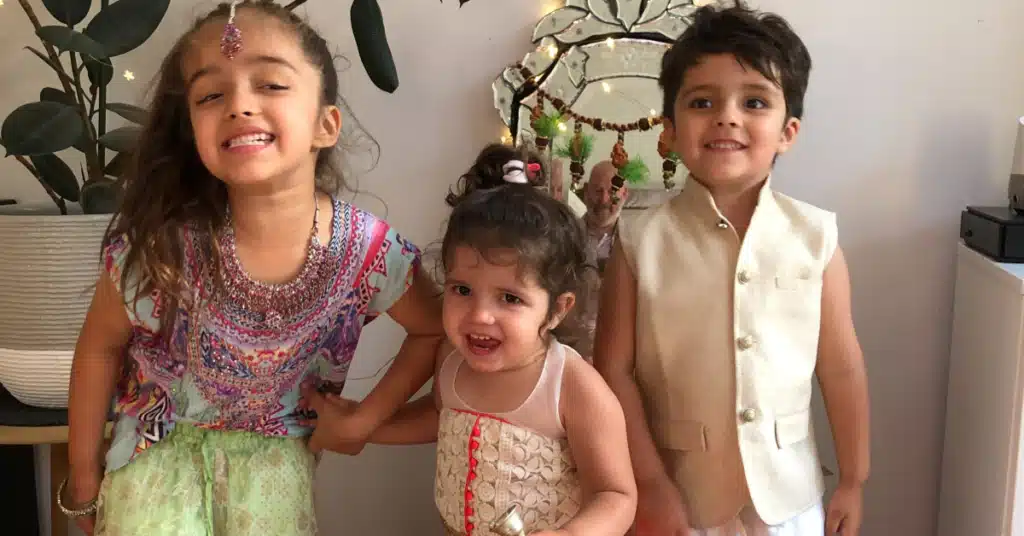

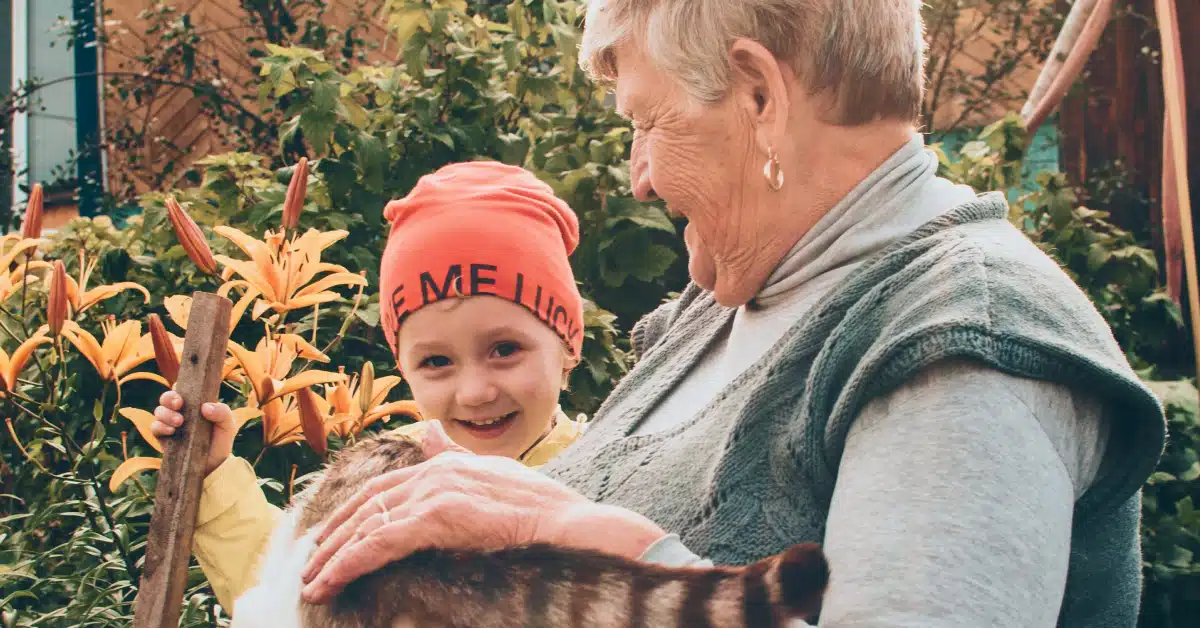
Helping children understand where they come from doesn’t need to involve a big history lesson. Often, cultural identity grows through the ordinary stories, foods, words and traditions woven into family life.
Children begin piecing together the story of who they are long before they could ever explain the idea of identity.
They notice which foods appear at family gatherings, the words grandparents use, the music playing in the kitchen, the celebrations that matter and the stories adults tell again and again. They hear where people were born, who came before them and the little family anecdotes everybody seems to know by heart.
Some families have strong cultural traditions that are already embedded in everyday life. Others are reconnecting with heritage that has become distant over generations, blending several cultures together or creating a family story that looks different from the one they grew up with.
There isn’t one correct way to give children a sense of where they belong. Often, the most meaningful connections are built through surprisingly ordinary things.
Tell the stories behind the traditions
Children are naturally interested in why families do things differently.
Instead of simply saying, “We always eat this at Christmas”, tell them who first made it, where the recipe came from and whether you loved it as a child.
Explain why a particular celebration matters, where a family nickname originated or why your grandmother always used a certain phrase.
These details turn traditions from something children are expected to participate in into part of a bigger story they can see themselves inside.
It doesn’t need to be historically significant. The story about the cake Grandpa burned every birthday for ten years may become just as much a part of family folklore as anything written in a family tree.
Sign up
Get tailored content based on your week of pregnancy
By signing up, you agree to receiving our Newsletters. Cancel anytime.


Let food tell some of the story
Food can be one of the easiest ways for children to experience culture because it involves all the things kids already understand well: taste, smell, participation and usually somebody telling them not to eat all the ingredients before dinner.
Cook recipes from your family background together, visit a bakery or restaurant connected to your culture, or ask an older relative to show your child how they make something particular.
If your family has several cultural backgrounds, there doesn’t need to be a competition over which one gets represented. A family table can hold many influences at once.
And if you’re reconnecting with a heritage you didn’t grow up immersed in, learning together can be meaningful too. Parents don’t need to already know everything in order to help children become curious.
Keep family language alive in whatever way feels natural
For multilingual families, hearing and using family languages can give children another connection to relatives, community and heritage.
Not every child will become equally fluent in every language around them, and language learning doesn’t have to be all or nothing.
Songs, greetings, affectionate phrases, counting, family nicknames and familiar expressions can still become meaningful parts of childhood.
Children may also move through periods where they feel self-conscious about speaking a language that makes them different from their peers. Rather than forcing it, keep creating positive opportunities to hear and use it, while reinforcing that knowing more than one way to communicate is something valuable.
Bring out the photos
Children tend to love discovering photographic evidence that their parents were once children too.
Old photos give family stories a face. Show them the house you grew up in, what their grandparents looked like when they were young, the clothes everybody apparently considered fashionable and the relatives whose features they may recognise in themselves.
You can also use photos to talk about places.
Maybe the family comes from another country, another part of Australia or the same suburb your child lives in now. Perhaps there are places that remain deeply important to your family even if your child hasn’t visited them yet.
Maps, photographs and family memories can help make those connections more concrete.
Celebrate the everyday, not only the big cultural moments
Cultural identity isn’t created only during festivals, holidays or major celebrations.
It also lives in everyday habits.
It might be the music playing while dinner is cooked, the way relatives greet one another, a prayer before bed, the food packed in a lunchbox, the way birthdays are celebrated or the particular term of affection everyone in the family uses.
Those ordinary details can be powerful because they tell children, repeatedly and without fanfare, this is part of who we are.
Let grandparents and older relatives tell it their way
There are some stories only certain people in a family can tell.
If your child has grandparents, great-grandparents, aunties, uncles, Elders or older family friends in their life, give them opportunities to ask questions.
What games did you play when you were little? What did your house look like? What did your parents cook? What celebrations mattered? What was school like? What do you remember about your grandparents?
Children often hear completely different versions of family life depending on who they ask, which is part of the fun.
Recording some of those conversations, with permission, can also become something the family keeps long after the child has forgotten the original afternoon.
Make space for a complicated family story
Not every cultural or family story is simple.
Migration, adoption, foster or kinship care, separation from community, loss of language and difficult family relationships can all shape what children know about where they come from.
You don’t need to invent a neat story where one doesn’t exist.
Children can gradually learn that families contain gaps, changes and complicated chapters, while still feeling secure in who they are.
If parts of your child’s cultural background aren’t yours to teach, look for respectful ways to connect them with people, community and knowledge that are.
Belonging doesn’t require pretending one person can hold every part of a child’s story.
Let them decide what parts matter to them
Children don’t always connect with heritage in the way adults expect.
They may become fascinated by one branch of the family tree and barely interested in another. They might love a particular celebration but refuse the traditional food. They may ask endless questions for three weeks and then move on to dinosaurs.
That’s okay.
Pride grows more naturally when culture feels like something children are invited to explore rather than something they’re expected to perform correctly.
Give them access to the stories, language, people and traditions around them, then leave room for their own relationship with those things to develop.
The story grows with them
Helping children feel connected to their culture doesn’t require an elaborate family-history project.
It happens when you tell them why Grandma makes that dish, teach them the song you heard as a child, explain where their name came from or point out that they have exactly the same laugh as somebody three generations before them.
Over time, those tiny pieces begin to form a bigger picture.
Not just where their family came from, but where they belong within it.
Related Articles


Loved this article?
Share with a friend