


20 questions kids can ask their grandparents before the stories are forgotten
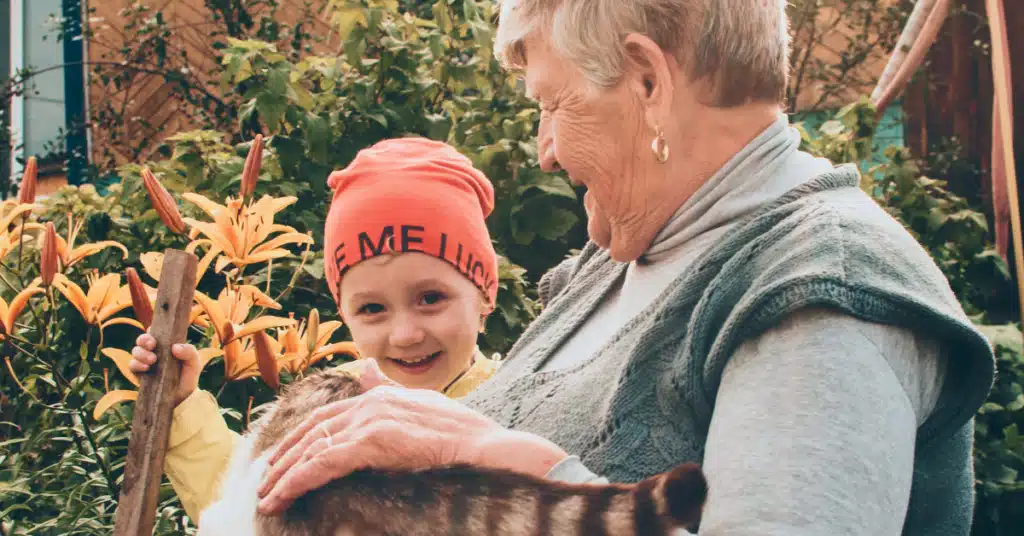

Some of the best family stories are the ones nobody thinks to write down. These questions can help children discover what their grandparents were like before they became Grandma or Grandpa.
Children tend to meet their grandparents halfway through the story.
They know Grandma makes excellent pancakes, Grandpa falls asleep during movies and somebody always has snacks hidden somewhere suspiciously convenient.
What they don’t always realise is that these people once had childhood bedrooms, best friends, embarrassing school moments, first jobs and parents telling them to tidy their rooms too.
There are whole versions of our parents and grandparents that children may never think to ask about, simply because it doesn’t occur to them that those stories exist.
Which is why sitting down together and asking a few questions can be such a lovely family activity. No elaborate genealogy project required. You can do it over afternoon tea, on a long drive or during a family visit, and let the conversation wander wherever it wants to go.
20 questions to start the conversation
- What were you like when you were my age?
- What was your favourite thing to do after school?
- Who was your best friend, and what did you do together?
- What did your bedroom look like when you were little?
- What games did you play before phones, tablets and video games?
- What was your favourite food growing up, and what food did you absolutely hate?
- What was school like for you?
- Did you ever get into trouble as a kid?
- What did your family usually do on weekends?
- What birthdays or celebrations do you remember most?
- What were your parents or grandparents like?
- What family tradition do you hope we keep going?
- What was the first job you ever had?
- What did you want to be when you grew up?
- What music did you love when you were young?
- How did you meet Grandma, Grandpa or your partner?
- What is one place from your childhood you wish you could show me?
- What is something our family does that has been passed down for a long time?
- What is one thing you’re really glad has changed since you were a child?
- What story about our family do you think I should always remember?
Sign up
Get tailored content based on your week of pregnancy
By signing up, you agree to receiving our Newsletters. Cancel anytime.


Don’t rush through the list
The best part of these questions usually isn’t the answer to the question itself.
Ask Grandpa what he did after school and suddenly you may be 20 minutes into a story about riding bicycles across town, an extremely questionable homemade ramp and the afternoon his mother discovered where everyone had actually been.
That’s the good stuff.
Let children interrupt with their own questions, compare the story with their life now and ask the obvious follow-up: “Wait, you were allowed to do WHAT?”
There’s no need to get through all 20.
One good story is worth far more than completing the list like homework.
Record the stories if everyone is comfortable
Family stories have a habit of being told dozens of times and then, one day, nobody can quite remember the details.
If your grandparent or older relative is comfortable with it, record the conversation on your phone.
You don’t need special equipment or a formal interview setup. An audio recording of Grandpa telling a favourite childhood story, complete with everyone laughing in the background, can become incredibly precious later.
You could also ask children to write down their favourite answer, draw a picture of one of the stories or create a small family-story book together.
The point isn’t to archive every detail of someone’s life. It’s simply to hold onto a few pieces that might otherwise disappear.
Make room for families that look different
Not every child has grandparents they can ask.
Some grandparents have died, live far away, are estranged from the family or may not be able to have these conversations.
The activity still works with other important older people in a child’s life.
An aunt, uncle, family friend, neighbour, Elder or grand-friend may have stories your child has never heard. You can also tell stories about grandparents who are no longer alive using the memories, photographs and recordings the family still has.
Family history belongs to more than one type of family.
The ordinary stories are often the ones worth keeping
It’s easy to imagine family history as a collection of important dates and major events.
But children are often much more interested in hearing that Grandma hated maths, Grandpa had a dog named Pickles or Mum once cut her own fringe and regretted it immediately.
Those details make the people who came before them feel real.
They also show children something quietly reassuring: the grown-ups in their family were once figuring things out too.
So ask the questions while you can, even if the conversation ends up somewhere completely unexpected.
Those detours might become the stories your kids tell their own children one day.
Related Articles


Loved this article?
Share with a friend