




A Nutritionists Guide to Realistic Lunchboxes this Back to School
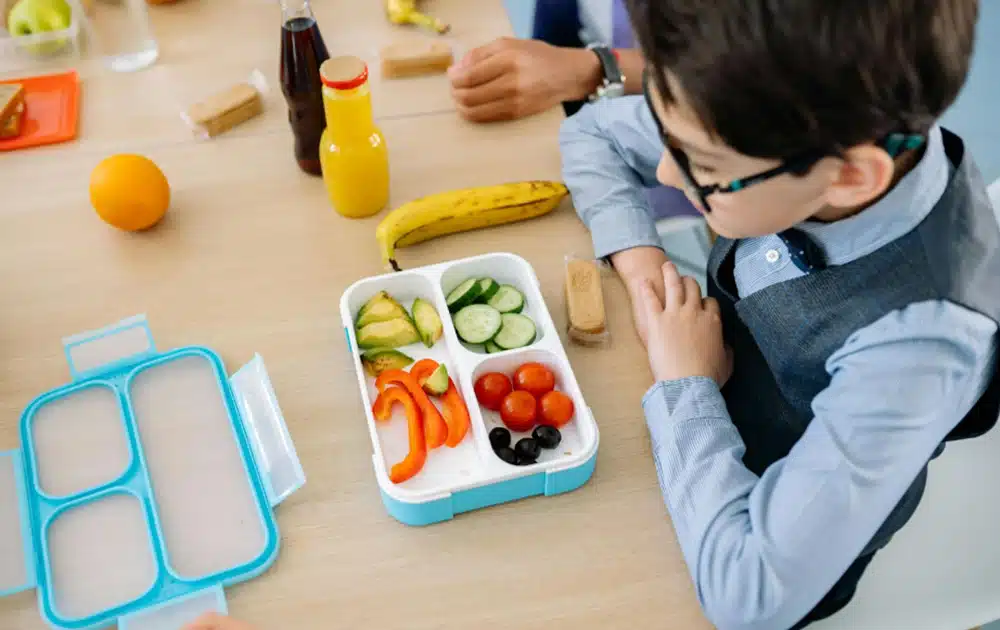


We’ve all seen the picture-perfect lunch boxes on social media. From sandwiches fashioned with cookie cutters to fruit skewers carved into fancy shapes, there’s no denying these lunch boxes look impressive.
However, new research commissioned by Mother Earth suggests these social media ideals may be setting unrealistic standards among Aussie parents. While 40% of parents find social media lunchbox content inspiring, the same proportion question whether it reflects everyday life. Over a quarter of parents say these posts don’t match the realities of a busy household, and another quarter feel they don’t reflect what families actually pack.
The good news is that kid’s lunchboxes don’t need to be time‐consuming or complicated. What parents are actually prioritising is clear:
- Balanced options made with ingredients they trust
- Food their children will reliably eat
- Items that are cost-effective and easy to pack.
With this in mind, the following simple tips will help you pack a lunchbox that is balanced, satisfying and most importantly, one that won’t come home half‐eaten or untouched.
1) Use a simple lunchbox formula
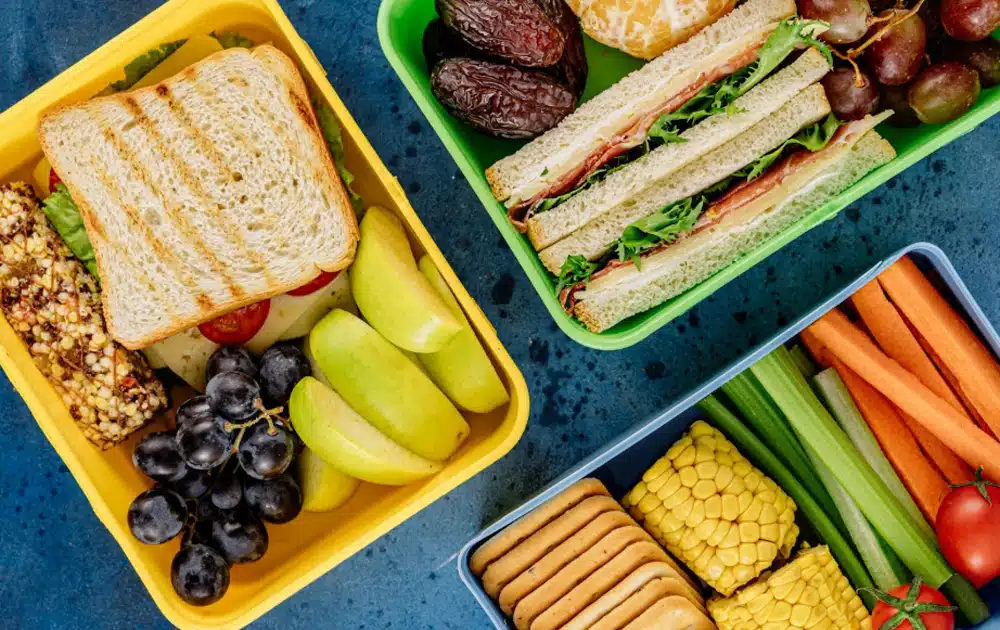
Having a clear structure takes the pressure out of lunchbox prep and helps support balanced eating across the day. Once you’re familiar with the formula, it becomes easy to swap items in and out based on what you have on hand.
Use these four components:
- Quality carbohydrates: Wholegrain options provide steady energy and fibre. Good choices include wholegrain wraps, wholemeal bread, pasta, brown rice, or wholegrain crackers.
- Protein: Protein supports growth and helps keep children satisfied. Options include boiled eggs, Greek yoghurt, tuna, chicken, legumes (like chickpeas or lentils), tofu or cheese.
- Fruit and vegetables: Aim for colour and variety across the week. Cherry tomatoes, carrot sticks, cucumber, berries, grapes and kiwi fruit are practical options for ‘Crunch & Sip’ that kids love.
- Something fun: A small, enjoyable item helps keep lunch appealing. This could be a muesli bar, a homemade muffin, or a trusted snack that contributes wholegrains or fibre.
Sign up
Get tailored content based on your week of pregnancy
By signing up, you agree to receiving our Newsletters. Cancel anytime.


2) Choose smart snacks that save time
Snacks are often where lunchboxes can create uncertainty over what to pack. Wholegrain, fibre-rich snacks are helpful as they support satiety and provide a steady energy release between meals.
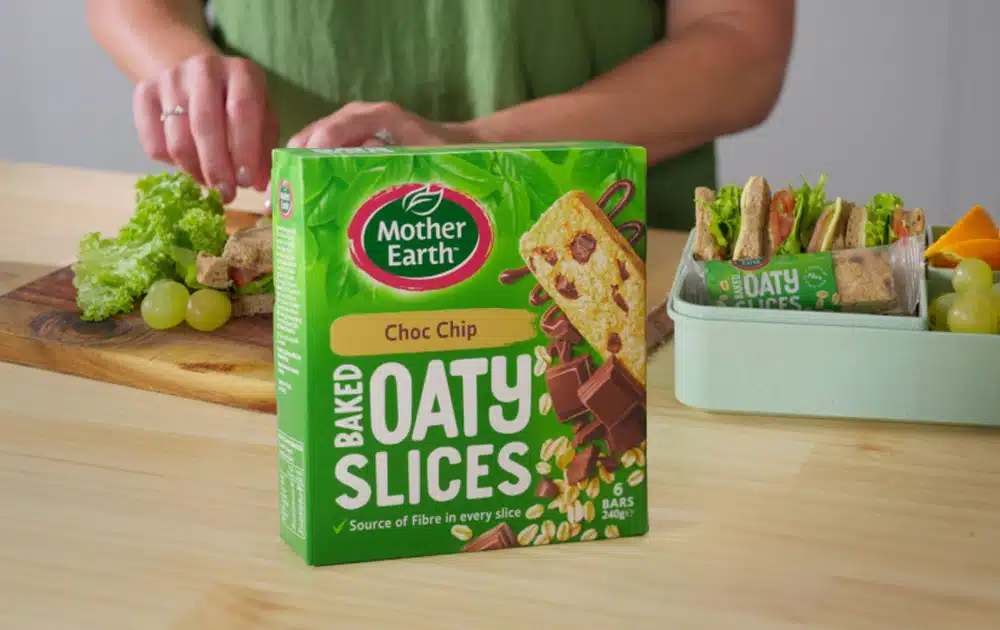
Mother Earth found Aussie parents value options made with ingredients they feel good about, that also reduce morning workload. Mother Earth Baked Oaty Slices are a reliable option for busy families (and a staple in my own household). They’re made with wholegrain oats, have a soft texture that kids love, and are quick to pack. Better yet, they can sit comfortably in the “something fun” category while sneaking in a bit of extra fibre.
3) Keep presentation simple and colourful
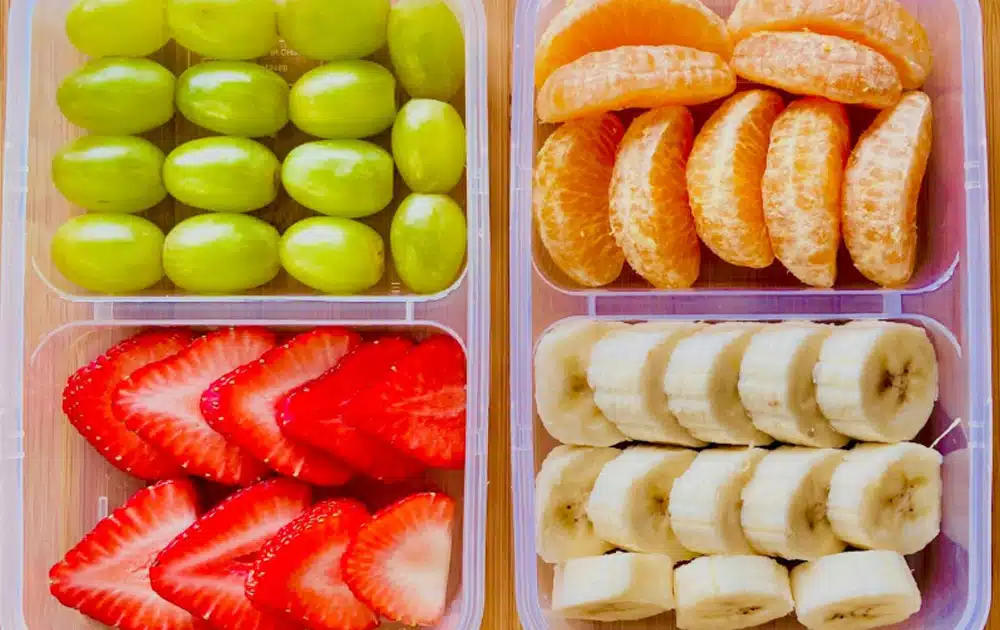
Children eat with their eyes, but this doesn’t mean you need to do any elaborate preparation. Colour, bite-sized portions and easy-to-hold shapes are usually enough.
Simple ideas:
- Halve a kiwi fruit (spoon included)
- A handful of cherry tomatoes or baby cucumbers
- Cut fruit that’s ready to eat: melon cubes, berries or grapes (halved for younger children)
- Carrot sticks with a small pot of hummus or yoghurt dip.
A visual lunchbox doesn’t have to be immaculately styled, it just needs to be accessible and appealing.
4) Involve the kids in small choices
When children have a say in what goes into their lunchbox, they’re more likely to eat it. By offering small, guided choices, you can build ownership, reduce waste over time, and keep the routine running smoothly.
Involving them doesn’t need to slow down the morning -in fact, it can help speed things up by preventing last‐minute disagreements about what’s been packed.
Try:
- Letting them pick a wrap or sandwich filling from two choices
- Asking them to choose their fun snack for the day
- Getting them to pack the easy parts, like their yoghurt pouch, muesli bar or fruit from the bowl.
5) Rotate familiar foods to avoid boredom

Variety supports nutrition and interest, but it doesn’t have to be complicated. Keep the base ingredients similar and change the format.
Try these easy rotations:
- Swap a sandwich for a wholegrain wrap or mini roll
- Pack mini frittatas made in bulk
- Use leftovers such as pasta salad, fried rice or roast chicken
- Offer whole grain crackers with cheese or hummus instead of bread
- Change the fruit and vegetable pairings through the week.
The aim is to keep the lunchbox familiar enough to be eaten, with small changes that prevent fatigue.
6) Pack for freshness and food safety
Freshness affects whether food is eaten. A few basics help keep lunch safe, appetising and intact:
- Use an insulated lunch bag with an ice pack
- Separating wet and dry items can prevent sogginess. Consider packing sauces, dips or yoghurts in small, leak-proof containers to be added at school.
- Pack a chilled water bottle (it helps keep the box cool).
Wrapping Up
A balanced, eaten lunchbox will always be more useful than an elaborate one that comes home untouched. Aim for consistency rather than perfection by keeping your approach simple and sustainable. A few practical strategies can help:
- Keep a short list of your go‐to items: Rotate reliable proteins, carbohydrates, fruits and vegetables that you know your child enjoys.
- Prepare ahead where possible: Washing fruit, chopping vegetables, or batch‐cooking items like mini frittatas on the weekend (or night before) can reduce pressure on busy mornings.
- Use your child’s feedback: When something repeatedly comes home uneaten, try reducing the portion, changing the format (for example, using a wrap instead of a sandwich), or swapping it for a similar alternative.
‘Back To School’ doesn’t require a complete lunchbox overhaul. With a clear formula, a few dependable staples, and realistic expectations, it’s possible to create lunches that support energy, growth and enjoyment, without adding unnecessary pressure to your mornings.
Related Articles


Loved this article?
Share with a friend