

How to be present in playtime as a parent
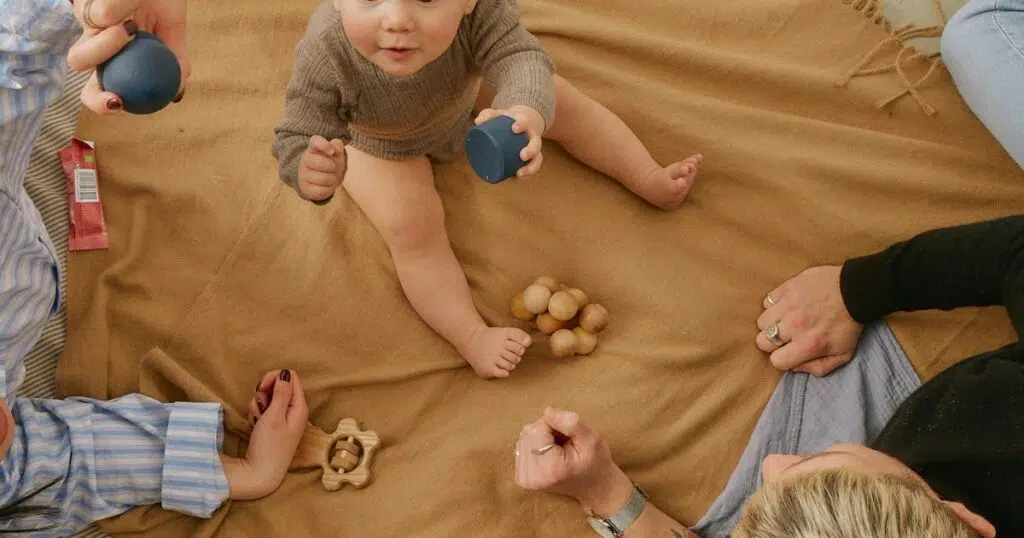



Playing with toddlers isn’t always thrilling (as cute as they may be). There are only so many times you can pretend to eat a plastic banana or drive the same toy truck in circles before your brain starts wandering to your to-do list.
But how you engage matters just as much as what you’re playing with.
Through play, your child experiences you as a safe, responsive presence, which strengthens attachment and builds their sense of security.

Every time you follow their lead in a game, respond to their excitement, or simply share a moment of silliness, you’re reinforcing a powerful message: I see you. I enjoy you. You matter to me.
These small moments of connection help shape your child’s emotional resilience, self-worth, and trust in relationships for years to come.
How can we get there? These are a few of my tips as a psychologist working with children and families.
Let go of the need for ‘productive’ play
It’s common for parents to struggle with play, particularly when it feels unstructured. Life often conditions us to believe that time must be used “productively,” that we should always have something to show for it. It’s easy to fall into the trap of using play as a way to teach – ever found yourself saying, “Now show me the red brick!”?
Instead of taking charge, let your child set the pace and direction of play. This approach, known as child-directed play, is a research-backed approach that strengthens the parent-child bond while fostering confidence, creativity, and problem-solving skills.
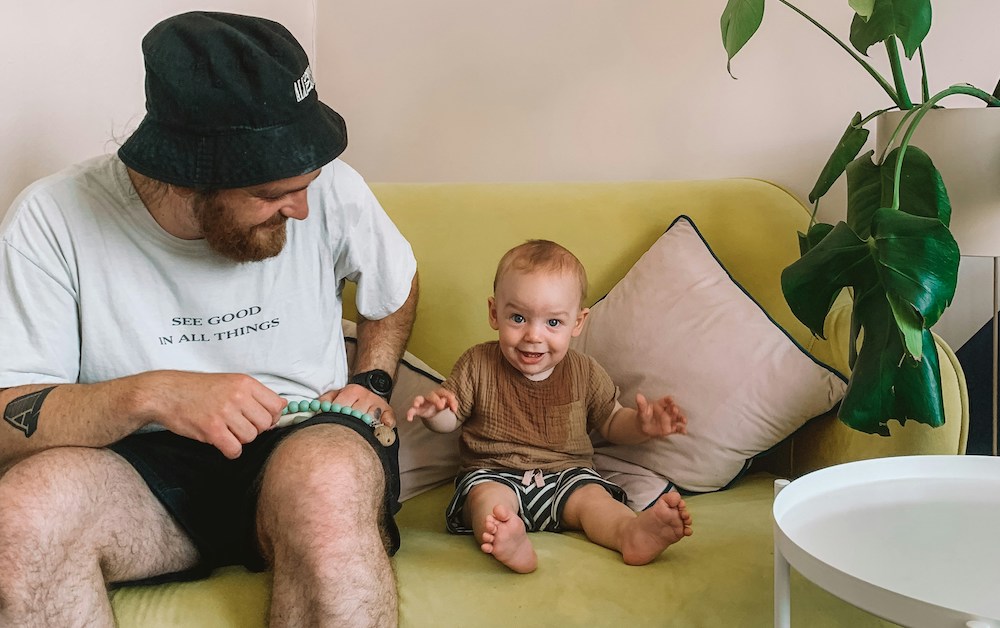
When you let your child take the lead, you’re giving them the space to build confidence, creativity, and independence. By stepping back and following their cues, you’re helping them feel secure, encouraging their self-esteem, and supporting their emotional growth. These little moments help them build trust in their ideas and keep exploring the world with curiosity.
Studies also suggest that child-directed play improves a child’s ability to regulate emotions and develop social skills. Dr. Sheila Eyberg, who pioneered Parent-Child Interaction Therapy (PCIT), emphasises that when parents engage in play without giving commands or corrections, children feel more in control and develop a stronger sense of competence.
Try this: Next time you play together, resist the urge to direct or correct. Instead, narrate what they’re doing (“You’re making a super tall tower!”), mimic their actions, and ask open-ended questions that keep the play flowing. You’ll be amazed at how much more engaged they become – because, to them, you’re the best playmate they could ask for.
If you’re looking for a toy that encourages child-directed play, the LEGO® DUPLO® My First Balancing & Stacking Tree is a great choice.
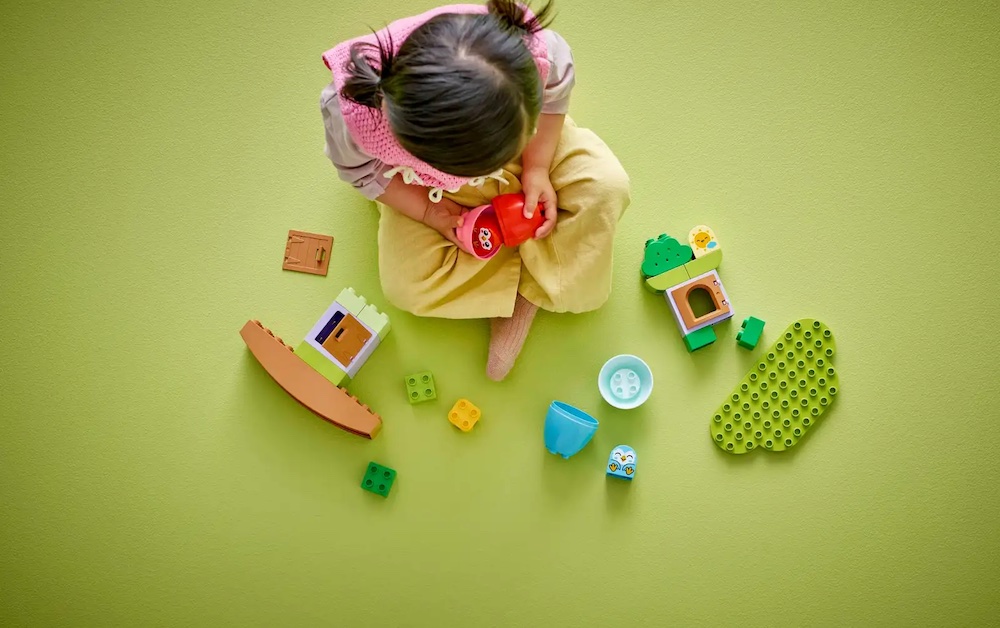
This dynamic, wobbling toy is packed with endless learning moments. Perfect for toddlers aged 18 months and up, it lets little ones engage with adorable owl figures in their cosy treehouse. As they balance and stack the tree’s elements, toddlers practice fine motor skills and hone patience, while having fun with their new owl friends.
It’s the perfect way to spark your child’s creativity, while also supporting key developmental milestones like perseverance and focus.
The power of short play sessions
Parent guilt is prone to creep in when you’re time-poor, but the good news is, there are big benefits to be had from even small windows of quality play! You don’t need to spend hours playing to make a meaningful impact – just 10-15 minutes of fully engaged, distraction-free play can do wonders for your child’s emotional security.
Short, focused bursts of connection are more beneficial than long stretches of distracted play. Children are highly attuned to our attention. When we’re only half-present – checking our phones or thinking about our to-do lists – they feel it. But when we’re fully present, even for just a few minutes, it reinforces their sense of being seen and valued.
Try this: Put your phone on silent and out of reach. Set a timer for 10-15 minutes and commit to being all in – following their lead, making eye contact, and immersing yourself in their world. When the time is up, even if you need to step away, they’ll feel filled up by the genuine connection. It’s not about how long you play—it’s about how present you are when you do.
A tip for transitions
Endings are hard! (Especially when you’re having fun). This is especially true for young children when they are expected to transition out of playtime.
Try this: Be mindful of ending playtime gently. When you need to wrap up, give advanced notice (“Two more minutes, then we’ll clean up”) and offer a warm transition (“Do you want a hug before we stop?”). This helps them feel safe even when playtime ends.
Wrapping it up
There’s no ‘right’ or ‘wrong’ way to play. The most important thing is that you’re fully present with your little one, putting away your phone and letting the rest of the world fade away as you’re invited into their wonderful, imaginary world.
Loved this article?
Share with a friend