

The understated role of grandparents in playtime


We tend to think of playtime as something that’s squeezed in between school runs, Zoom calls and cleaning up another crushed rice cracker from the carpet.
It can feel like just one more thing on the to-do list, especially when you’re exhausted and the idea of building another block tower feels like Groundhog Day.
Thankfully, it doesn’t all have to fall on us.
More and more research is highlighting the huge benefits of having grandparents involved in our kids’ lives, especially when it comes to play. And it turns out, this kind of connection can be more powerful than we often give it credit for.
A growing role in modern families
Australian families are increasingly turning to grandparents for support. According to the Australian Institute of Family Studies (AIFS), around 30% of children under the age of 12 receive regular care from a grandparent, often once a week or more.
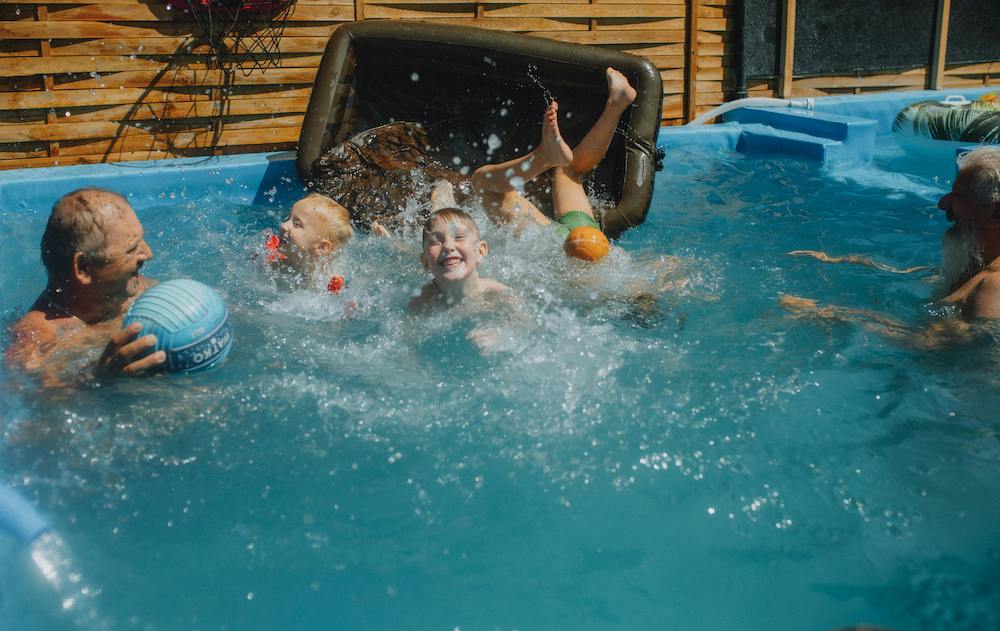
While some of this care is practical (school pickups, meals, bedtime routines), a lot of it includes time for play — and this play often looks and feels quite different from what we see in early learning settings or at home with parents.
The magic in how they play
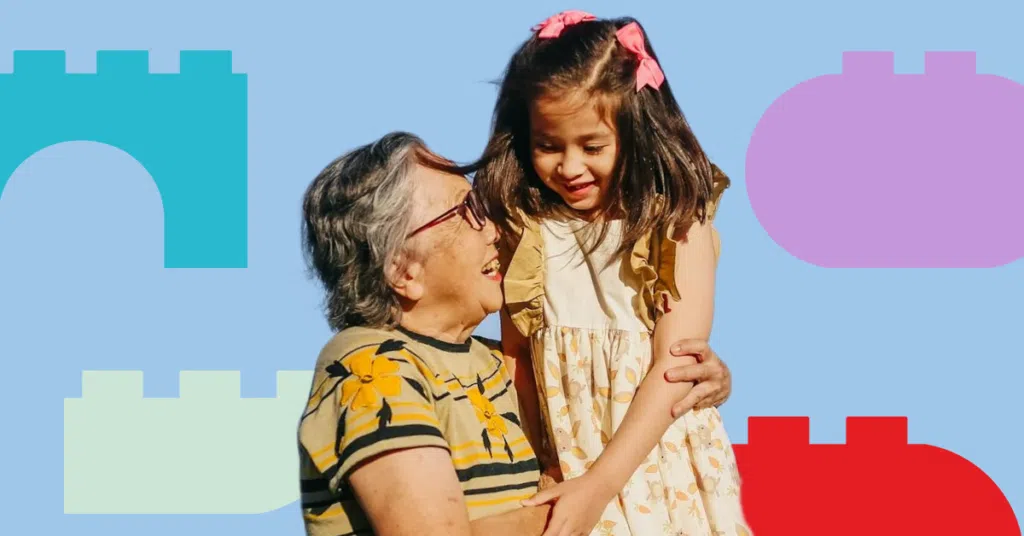
Grandparent play tends to be slower, quieter, and less structured. It might involve card games, drawing, gardening, or simply watching the clouds and chatting about what shapes they see.
There’s no pressure to “achieve” something in the game, which is part of what makes it so impactful.
Children need unstructured, open-ended play to thrive. It helps them achieve emotional regulation, social confidence, language and curiosity.
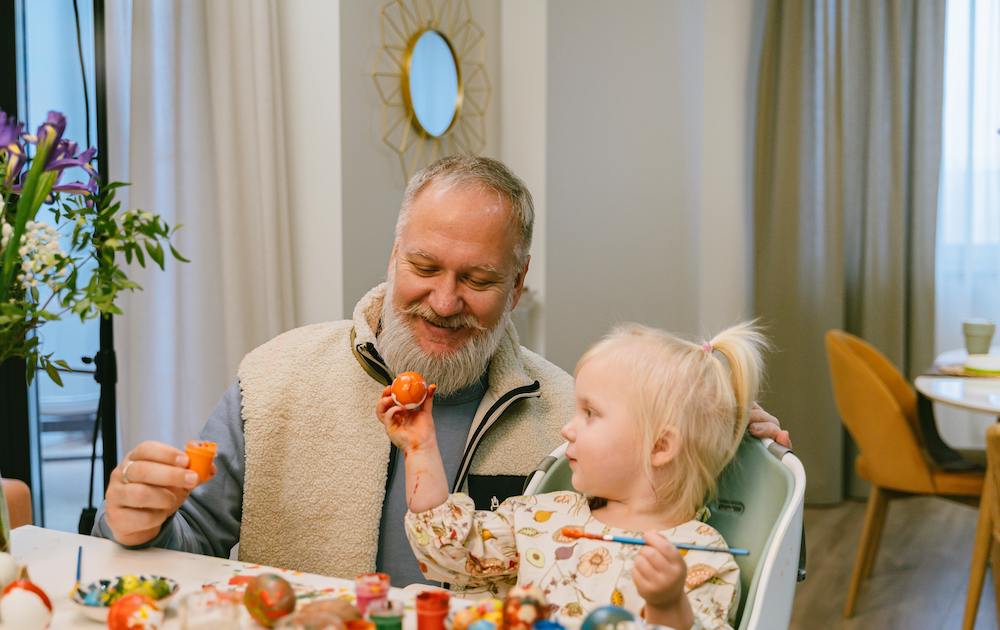
Grandparents often bring just that. Not because they’ve read a parenting manual, but because they have time. Their version of play isn’t hurried, distracted or multitasked.
They’re present in a way that kids don’t always get from their busy, overstretched parents.
The research backs it up
A study from Oxford University found that children with active, emotionally engaged grandparents were more likely to have fewer behavioural problems and stronger peer relationships.
These benefits were directly linked to everyday involvement, including talking, playing, and sharing routines.
This kind of consistent, low-pressure interaction builds emotional safety for children. It helps them feel seen and understood. This makes all the difference in moments of play, where imagination and vulnerability often go hand in hand.
It's not just good for kids
Intergenerational play benefits both sides of the relationship. For grandparents, being involved in their grandchild’s life, especially through meaningful activities like play, has been linked to improved mental health, a stronger sense of purpose, and even better brain function.
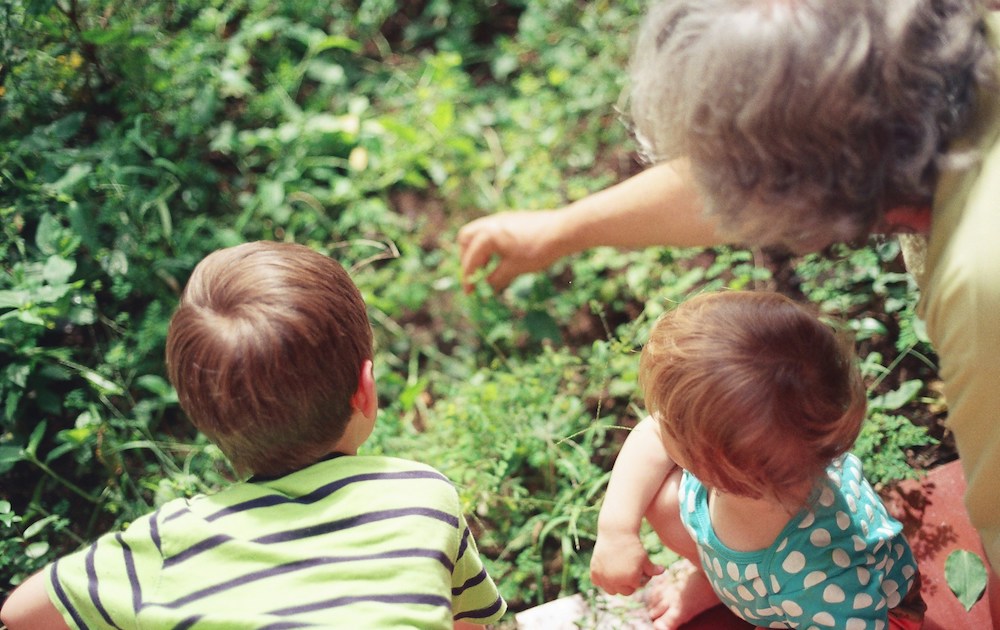
A study from the Women’s Healthy Ageing Project found that grandmothers who looked after grandchildren for at least one day a week had better memory performance and cognitive health than those who didn’t.
So when a grandparent reads a book, plays a game or simply chats while watering the plants, they’re engaging in something deeply nourishing for themselves.
What does grandparent-led play actually look like?
Some of the most common (and effective) forms of grandparent play include:
- Reading or storytelling
- Drawing or colouring side-by-side
- Gardening together, even if it’s just watering plants
- Baking or cooking with simple, safe tasks
- Sorting objects, like buttons or coins
- Taking a walk and noticing things around them
- Playing cards or simple board games
Or, if you’re looking for something a little more interactive, LEGO® DUPLO®’s Interactive Adventure Train can be a great way for grandparents and toddlers to play together. It gives little ones the chance to take the lead — deciding the destination, building the track, and bringing the journey to life with lights, sounds, and their own recorded audio via the free LEGO® DUPLO® app.
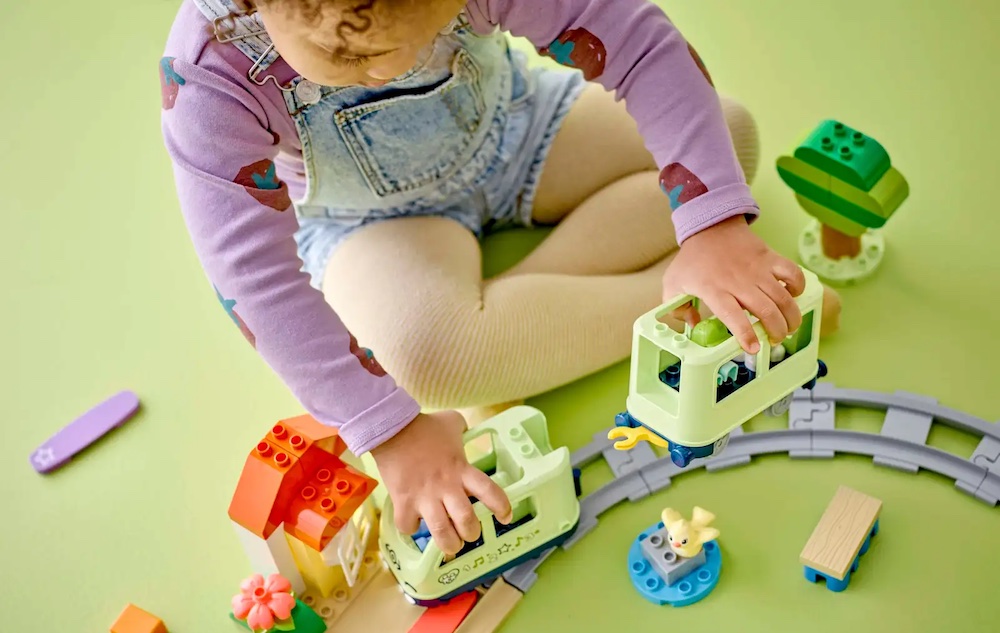
With multiple destination builds (like a park, beach or station), this set encourages open-ended storytelling and creativity, while also supporting fine motor skills, patience and problem-solving.
And, to really top it off, it’s something grandparents and kids can build, explore and reimagine together.
Making space for more of it
If you’re lucky enough to have grandparents in your child’s life, there are lots of simple ways to foster more of these interactions.
Here are a few ideas:
- Let kids lead: Encourage your child to “teach” their grandparent how to play a game they love. It inspires confidence and makes the experience more collaborative.
- Keep it low-key: Play doesn’t have to mean running around or building elaborate forts. Quiet, seated activities can have just as much impact.
- Make the most of video calls: Try storytime over FaceTime, sing-alongs, or even simple guessing games.
- Tap into their childhood: Grandparents often carry songs, games and traditions from their own early years, which can feel fresh and fun for kids.
Wrapping it up
The more help we can have while raising our little ones, the better. Getting grandparents involved in playtime is a win-win for everyone.
Kids feel grounded. Grandparents feel connected. And we, as parents, get a bit of breathing room — and the comfort of knowing our little ones are being loved, gently and wholeheartedly.
Related Articles

Loved this article?
Share with a friend