

Messy vs. structured play: Why kids need both
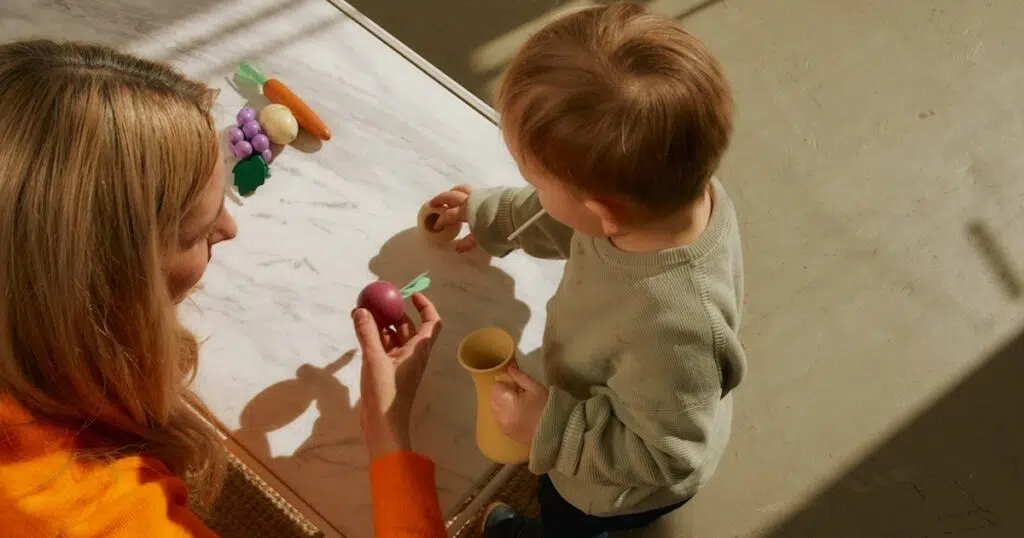



It’s often said that "play is the work of childhood." If that’s the case, it’s a job that’s even more rewarding when it includes both unstructured "messy" play and structured play.
Each type brings something different to the table, and together they give kids the best of both worlds.
Unstructured play: Sparking creativity and problem-solving
Unstructured play is a fantastic way to ignite creativity and build problem-solving skills. When children play without rules or a specific end goal, they tap into divergent thinking – the ability to come up with multiple solutions to a problem.
This type of open-ended play encourages cognitive flexibility, allowing kids to think in new and innovative ways. Research suggests that children who engage in unstructured play develop enhanced creativity. This is likely to benefit them for years to come, both in childhood and adulthood!
One of the things I love most about unstructured play is that it allows kids to explore freely and make mistakes.
Without the pressure of a “right” way to do things, children are free to experiment, test ideas, and get super creative. This trial-and-error process fosters learning and growth in a natural, supportive way.
For children who struggle with perfectionism or anxiety, unstructured play can be a real game-changer. It’s a chance to practice resilience and build confidence without the fear of getting it wrong.
A great example of open-ended, unstructured play is the LEGO® DUPLO® My First Number Train – Learn To Count.
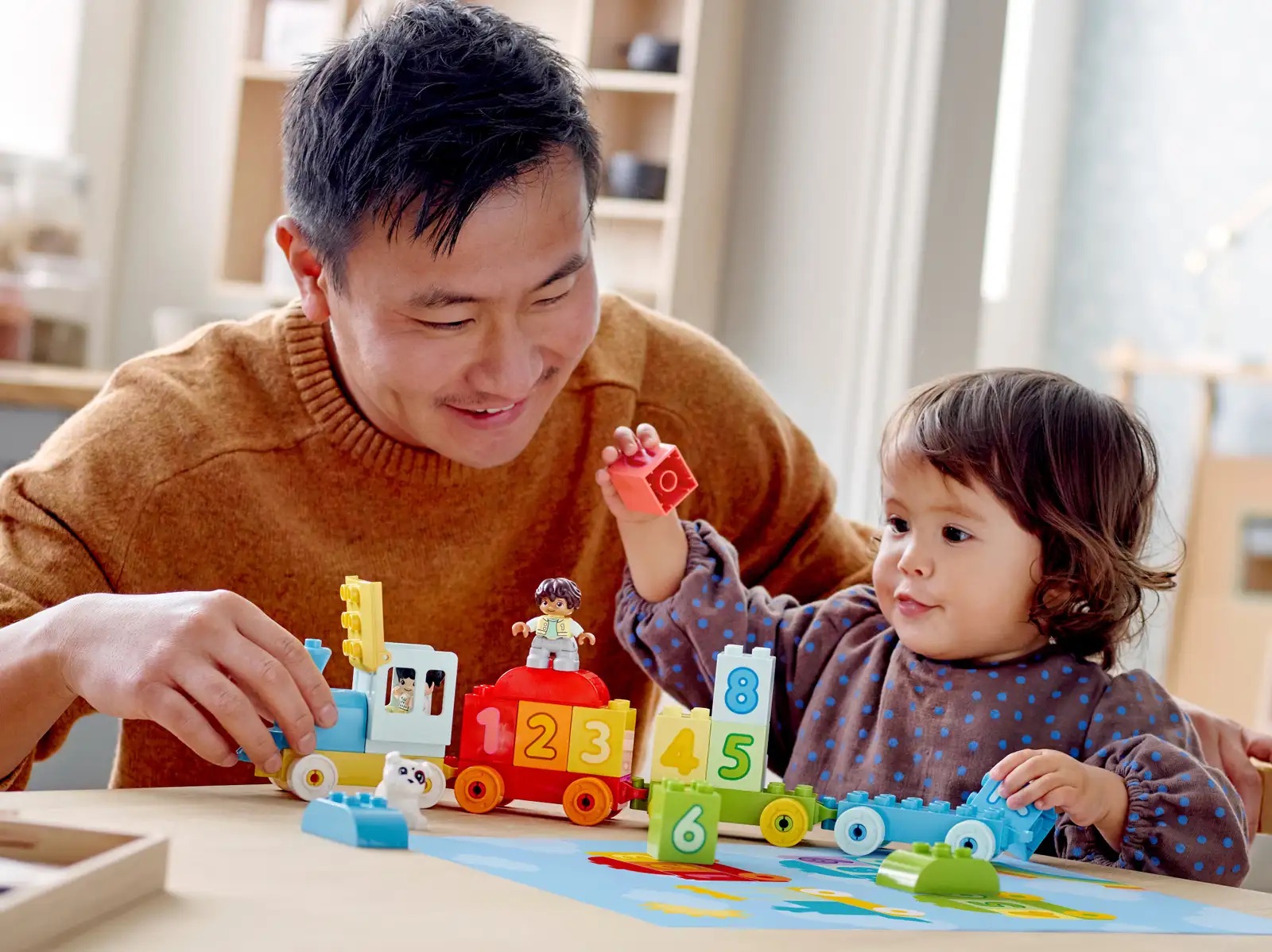
This toy brings counting to life, as a colourful and engaging way to develop their fine motor skills, problem-solving abilities, and creativity. With 10 number bricks that they can load, unload, stack, and sort, it’s really up to your little one what they make.
Structured play: Focus, persistence, and social skills
On the flip side, structured play can be incredibly valuable for teaching focus, persistence, and other important skills.
Activities with rules or clear objectives, such as building a specific LEGO®DUPLO® model, are excellent for developing executive functioning skills. These skills help children plan, pay attention, and stay determined even when things get tough. Ever tried building a LEGO® DUPLO® tower only to have it collapse? That’s an opportunity for kids to practice patience and perseverance!
Along with focus and persistence, structured play also helps kids develop cooperation, turn-taking, and emotional intelligence. When children play with rules or goals, they learn how to work with others, follow directions, and manage their emotions – skills that are critical for success in both school and social situations.
Research from the Center on the Developing Child at Harvard underscores the importance of goal-directed play in strengthening the brain’s neural pathways for focus and self-control. The more kids engage in structured play, the better they get at maintaining attention and controlling their impulses, which are essential skills for academic success.
The LEGO® DUPLO® My First Number Train – Learn To Count is a great example of how structured play can help learning. With its numbered bricks and moving wheels, toddlers can work toward clear objectives – sorting numbers, stacking bricks, or driving the train. The toy helps them focus, stay engaged, and follow instructions while encouraging them to imagine exciting adventures with the train’s cute characters.
The best of both worlds
It’s clear that both types of play have unique benefits. But the magic happens when kids engage in both unstructured and structured play.
Research suggests that moving between the two types helps children become more adaptable thinkers. This mix supports cognitive flexibility, a key predictor of later academic success.
Switching between structured and free play encourages kids to approach problems from different angles, adapt to new situations, and think critically.
With that in mind, invest in toys and games that support both styles of play. It’s a money-saver and encourages kids to see different ways of playing with the same toy,
Wrapping it up
The biggest thing to remember about play is that it should always be fun and engaging, no matter what form it takes!
By giving a balance of both unstructured and structured play, you’re helping your child develop into a well-rounded, adaptable thinker with the skills they need to thrive.
Play truly is the work of childhood, so let them play, explore, and grow with all the freedom and structure they need to succeed.
Related Articles

Loved this article?
Share with a friend