

2025 Guide to the Best Disposable Nappies for Your Baby
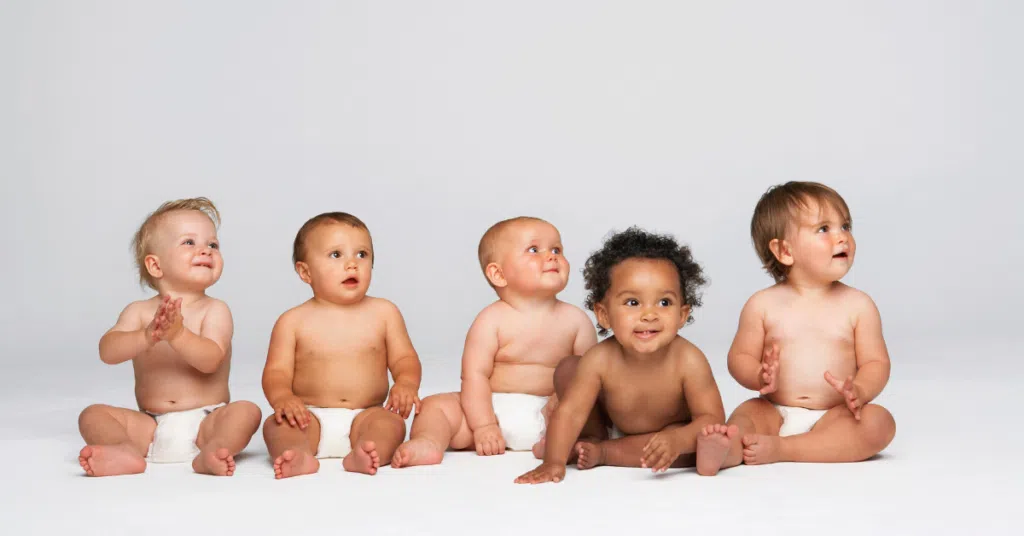
Fun fact: it's totally normal to go through 10 to 12 nappies a day with a newborn.
So a disposable nappy that makes changes quick and pain-free? If you ask us, that’s a non-negotiable. And will quickly become one of your go-to nappy bag essentials.
Thankfully, advancements in ‘nappy-tech’ (yep, it’s a thing) have levelled up. Gone are the days of stiff, leaky nappies or nappies that led to a nasty rash. And while we love reusables, there’s now a variety of eco-friendlier disposable nappies that are gentle on your bub’s bottom and kinder to the planet. Win-win!
But not all nappies are created equal. How do you tell a good nappy from a great one? And which brands hold strong when a poo-nami inevitably strikes? That’s where we come in.
As seasoned nappy testers, we’ve seen, smelt and dealt with it all. Here’s your no fluff guide to choosing the best disposable nappy (and when to consider reusable nappies).
Key Considerations When Choosing Disposable Nappies
Here’s what to keep in mind when shopping for your baby’s bum’s new best friend:
1. Absorbency (Can it soak it all up?)
First things first, a good disposable nappy holds the line when things… erupt. Or explode. Or gush forth!
The right nappy soaks it up, contains the chaos and keeps bub dry and happy.
This little detail becomes even more important when it comes to overnights and nap time. No one wants to deal with a 2am sheet-washing session or messy child who needs a bath.
This one’s non-negotiable. Look for features like an absorbent core and a waterproof outer layer.
2. Leakage (You had one job!)
A good nappy is like a good bra. It needs to hold it all in and not let anything escape!
Look out for features like snug leg cuffs, leak guards and leak-proof tech. No matter how soft or stylish it is, if it’s leaking and increasing your laundry pile, it’s not up to the job.
3. Fit (Just right)
Babies grow faster than your laundry pile so this one can be tricky.
One week, a nappy fits perfectly, and the next, it’s leaving red marks or sagging. Go for nappies with adjustable waistbands, stretchy sides and soft, snug leg cuffs for a secure but comfy fit.
Tempted to bulk-buy? We get it, every dollar counts. It can be risky though, you might end up with a pile of nappies that don’t fit and go to waste. Plus, changing brands or sizes as your baby grows means you can find what works best for their shape and skin at each stage.
4. (Read the) Ingredients
Your baby’s bottom is sensitive. Diva-level sensitive.
And even if it wasn’t, you wouldn’t want to put harsh stuff near it. Unfortunately, it’s not just our skincare products that contain fragrances, lotions, phthalates, and other unknown chemicals; nappies can too.
Your best bet is to opt for nappies that have been dermatologically tested, are allergy-certified and free from harsh ingredients.
And if it’s organic, that’s even better.
5. Style and Comfort (Hello Breathable Plastic)
Summer plus sweat plus bacteria wrapped up in plastic equals a recipe for disaster. Choose nappies made from breathable materials that keep things dry and airy, especially in warmer weather.
6. Wetness Indicator (your nose will thank you)
Sniffing your baby’s nappy is one way to go about things. Another, is to opt for a nappy with a wetness indicator. It lets you know when it’s time for a change, without the awkward nappy pat or sniff.
7. Environmental Impact (Say Yes to Sustainable Materials)
Nappies may spend an hour or two with us, but they’ll spend years in landfill.
And while we absolutely love disposable nappies, it’s hard to ignore their environmental impact. By the time the Earth makes one trip around the sun and a baby is blowing out their first birthday candle, they’ve used around 2500 to 3000 nappies. And that’s just one bub!
The middle ground?
Consider reusable nappies with biodegradable cores, plant-based sustainable materials and compostable packaging. They might cost a little more, but they’re your baby’s contribution to a less trashy future.
2025 Top Picks: Best Disposable Nappy
So now you know what you’re looking for, let’s get down to business and talk brands.
The Kiindred Baby & Toddler Awards winners are here! We’ve rounded up the best disposable nappies for you and your baby. We asked our panel of industry experts and Aussie parents to vote for their favourite disposable nappy brands and they delivered:
Expert’s Choice + Parent’s Choice Winner for Best Disposable Nappy (Best Overall)
Bunjie Probiotic Eco Nappies
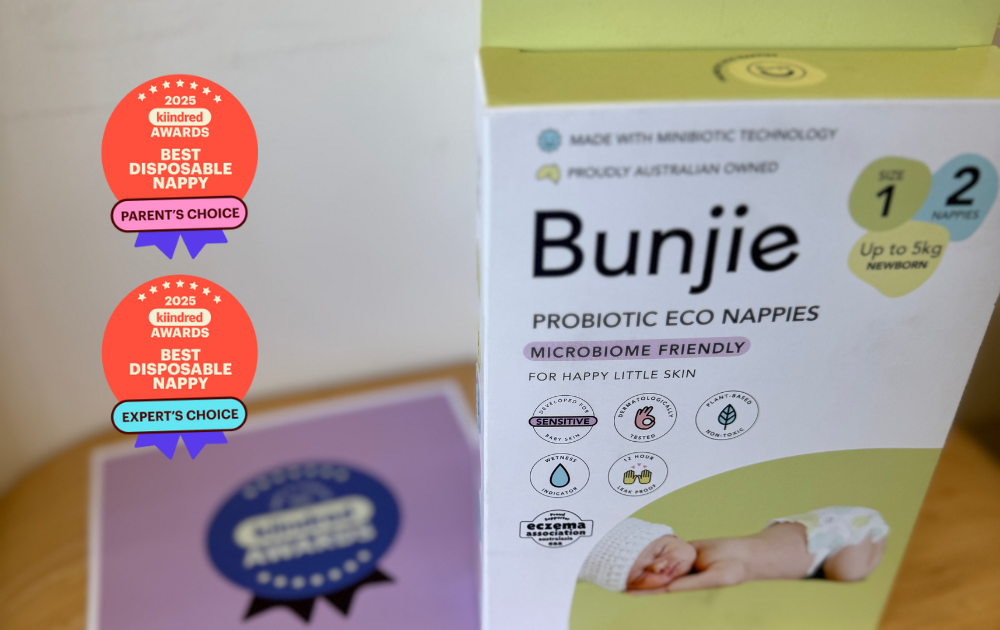
Crowned the best by both experts and parents, you can be confident you’re onto a good thing with Bunjie. They’re true nappy bag essentials for every mum.
Why parents love them: First off, these nappies aren’t just cute; they’re soft, flexible, breathable, and designed to move with your baby. Bunjie uses biotech to support your baby’s skin microbiome, which means fewer rash flare-ups.
Biggest flex: We love that these nappies are dermatologist-tested, hypoallergenic, are made from 70% biodegradable materials and contain 0% fragrances, parabens, or any of those mystery nasties.
Finalist + Best Sensitive Skin Disposable Nappies
Marquise Hypoallergenic Nappies
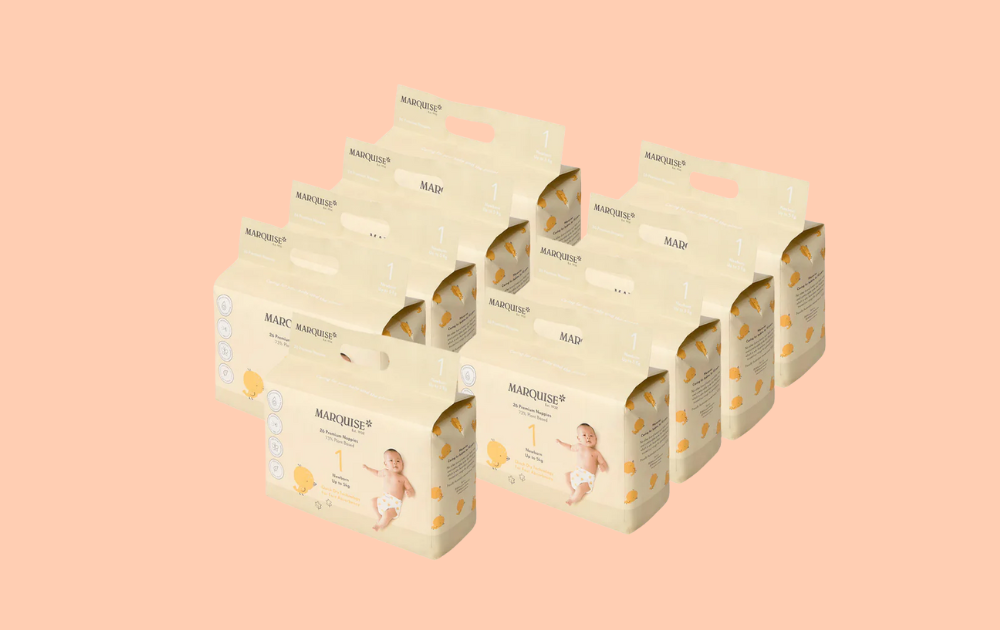
If your bub has ultra-sensitive skin, Marquise Hypoallergenic Nappies are a solid choice.
Why parents love them: These nappies are dermatologist-recommended, fragrance-free and designed specifically for delicate skin. With a soft, breathable outer layer and excellent absorbency, they help reduce the risk of nappy rash and irritation, without compromising on comfort.
Biggest flex: Marquise is a trusted Aussie brand that’s been caring for babies for generations, so you know you’re in good hands.
Finalist + Best Eco-Friendly Disposable Nappies
Tooshies With Organic Bamboo
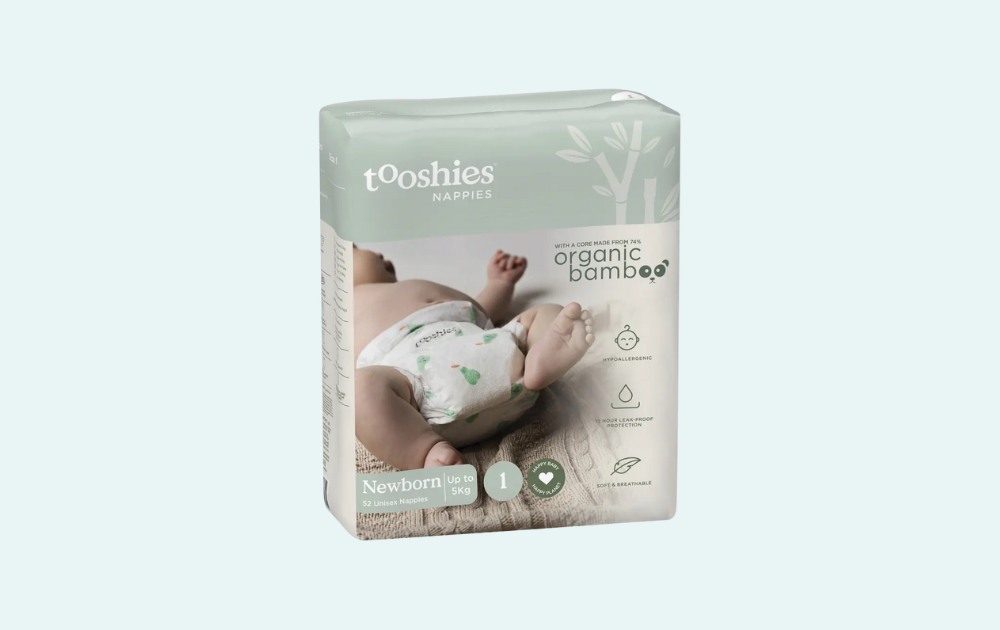
Eco-friendly disposable nappies are the go-to for parents who want convenience without (as much) guilt. They’re made from biodegradable materials and avoid harsh chemicals, which is great for sensitive skin and the planet.
Why parents love them: Stylish and sustainable. Made with organic bamboo and free from latex, lotions and phthalates. Tooshies also deliver on leak protection with up to 12 hours of coverage.
They’re super flexible for crawlers, rollers and spontaneous living room dancers and their antimicrobial design keeps things dry and stink-free. Hypoallergenic and vegan, they come in sizes from newborn to 18 kg, so they’ve got every stage sorted. Plus their packaging is 100% recyclable and they contain no nasties.
Biggest Flex: They’re designed in Melbourne by a team of mums and every pack purchased supports Australian women experiencing crisis pregnancy through impact partner, The Babes Project.
Notable mentions: Luvme Pandas Bamboo nappies and Comfy Koalas Eco Nappy Pants are also worth considering. Both brands focus on being gentle and sustainable and use bamboo fibres that feel soft and natural. Parents of heavy wetters say these two are better suited for daytime use.
Best Budget Disposable Nappies
Looking for an extra budget friendly nappy option? We’ve got you. Great nappies exist at every price point.
Coles
A quiet achiever, Coles CUB Newborn Size 1 offer a snug fit for newborns, decent leak protection and a super absorbent layer that holds up surprisingly well overnight. It’s proof that affordable doesn’t need to mean low quality.
Aldi
Aldi’s Mamia nappies are known for being super affordable while still delivering good absorbency and comfort. They’re soft, breathable and do a decent job overnight. The stretchy sides help with fit and leak protection, making them a reliable pick if you want a budget-friendly nappy that just works.
Woolworths
Woolies brands like Wotnot and Little One’s can cost a touch more but often focus more on gentler ingredients and eco-friendly features.
Best Newborn Nappies to Keep Your Baby Dry
Newborns are tiny and so are their bladders. Hence all those nappies you’ll be going through.
Newborn skin is super sensitive so you want to prioritise nappies that are soft, breathable and absorbent enough to handle those frequent wees without leaks.
Brands like Bubs & Co, Naty by Nature Babycare, and Coles Little Ones offer newborn nappies designed specifically for tiny babies. Their focus is on gentle materials that won’t irritate delicate skin while still providing solid leak protection.
Huggies Ultimate Soft nappies are another favourite for newborns. They’re super soft with a great fit and mould to your baby’s shape to keep the wetness locked in.
At the end of the day, the best newborn nappies are the ones that fit your baby well, keep them dry, and let you catch a few extra hours of sleep. Give a couple of brands a go and see what works best for your bub’s shape and skin.
Best Nappies for your Toddler
Bubs & Co, Huggies, and Pampers
When your bub becomes a toddler, nappies need to keep up with their nonstop energy and yes, their sneaky hands! Toddlers are pros at pulling their nappies off when they’re bored, hot or just testing boundaries.
Look for nappies that fit snugly but are still comfy enough for all that running and exploring.
Brands like Bubs & Co, Huggies and Pampers offer toddler nappies with stretchy sides and strong tabs that hold up to little escape artists. Bonus points if you grab the fun print ones.
Oh and hot tip, nappy pants are also great for this stage. They’re easier for toddlers to pull up and down themselves, which is a huge win when potty training starts. But watch out, because that independence sometimes means nappies come off at the most inconvenient times.
Red flags! Disposable Nappies to Avoid
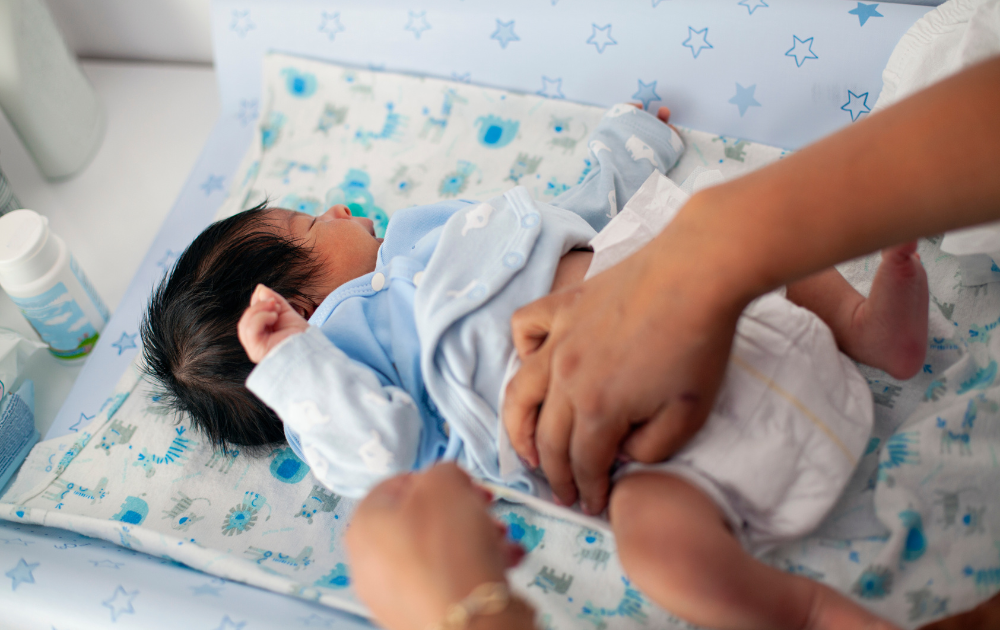
Yep, just like a bad relationship, nappies can come with their own red flags. If you’ve been using a brand that’s guilty of any of these, it might be time to break up. It’s not you, it’s 100% them!
High plastic content?
Yikes! Plastics trap heat and moisture, which can lead to rashes. Look for breathable, sustainable materials instead.
Does your nappy smell like a synthetic flower garden?
If it smells great, it’s got artificial fragrances or dyes. These are known irritants, especially for sensitive baby skin. Dump and run.
One pee and it’s time for a change?
Ahh, the ultimate betrayal. Poor absorbency means leaks, damp bums, and cranky babies (and parents). Yep, it’s a hard pass.
Eco claims with no proof?
Just because a pack says “eco” doesn’t mean it actually is. Look for third party certifications that back up their claims.
Heavy on pulp and plastic?
Most budget disposables still rely heavily on wood pulp and plastic. They’re not the most eco-friendly option, but if cost is your top priority, there’s room to balance that elsewhere (like using cloth part-time or reducing wipe waste).
“Dermatologically tested”? By who?
Don’t be afraid to ask the tough questions. Some cheaper brands skip this step so always double-check, especially if your baby has an extra sensitive bottom.
Disposable vs. Cloth Nappies: Let’s Break It Down
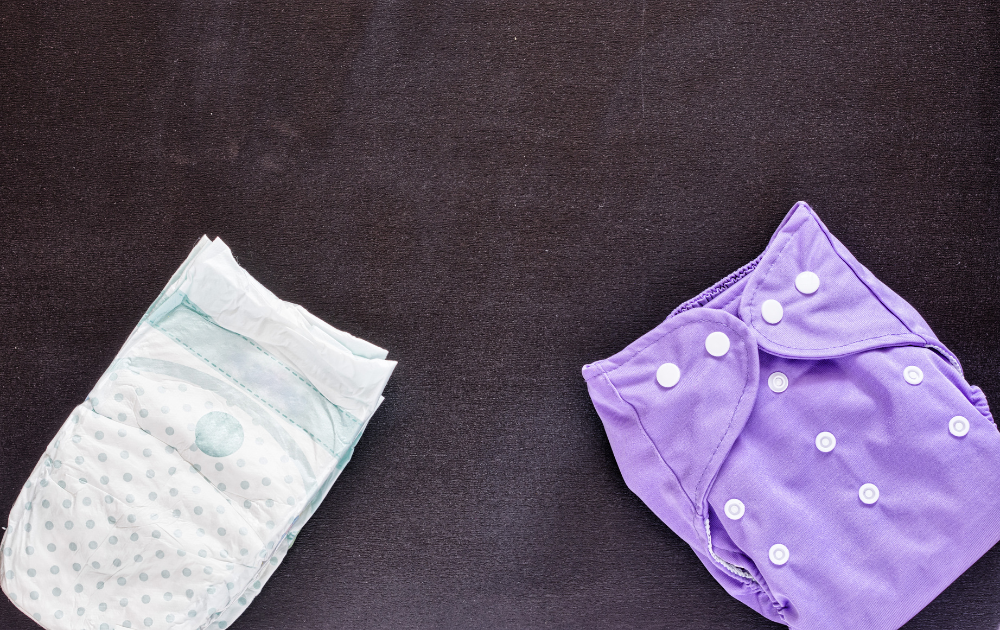
Choosing between disposable nappies and cloth nappies can feel like a full-blown research project.
The Case for Disposable Nappies
There’s no denying disposable nappies are convenient. You use them, toss them and you’re done. No warm wash, no drying racks, no stress. Many brands now come with a wetness indicator, so you’re not doing the sniff test every hour and there’s even eco-friendly and plant-based options that make them so great. Of course, perks like super absorbent polymer tech to keep your baby’s skin dry through the night make a great argument for these.
The trade off: But most disposables still take hundreds of years to break down. So if you’re an eco-conscious parent, the environmental impact can be a deal-breaker.
The Case for Reusable Nappies
On the flip side, cloth nappies are reusable, breathable, and surprisingly cute these days. With the right fit and absorbent inserts, they can be just as leak-proof as a disposable nappy. They’re also a gentler choice for baby’s skin since you know exactly what’s touching your bub (no hidden chemicals or random plastics).
And environmentally? You’re massively cutting down on landfill waste, especially if you wash them properly and reuse them for future babies.
The trade-off: Reusable nappies require a lot more effort and logistics. Between the warm wash cycles and drying time, you’ll be working harder for each and every nappy change.
The (ahem) Bottom Line
At the end of the day, there’s no single “perfect” disposable nappy, just the one that works best for your baby (and your sanity).
The good news? You don’t have to start from scratch. Our award winners and finalists have already been put through their paces by real parents, making it that much easier to narrow down your options.
So whether you’re after eco-friendly, budget-friendly, or just plain leak-proof, there’s a nappy on this list that’s been tried, tested, and loved. Fewer blowouts, fewer late-night outfit changes, and a happier baby (not to mention a happier you).
Loved this article?
Share with a friend