

Top 30 Christmas Gifts for Toddler to Brighten Their Holiday
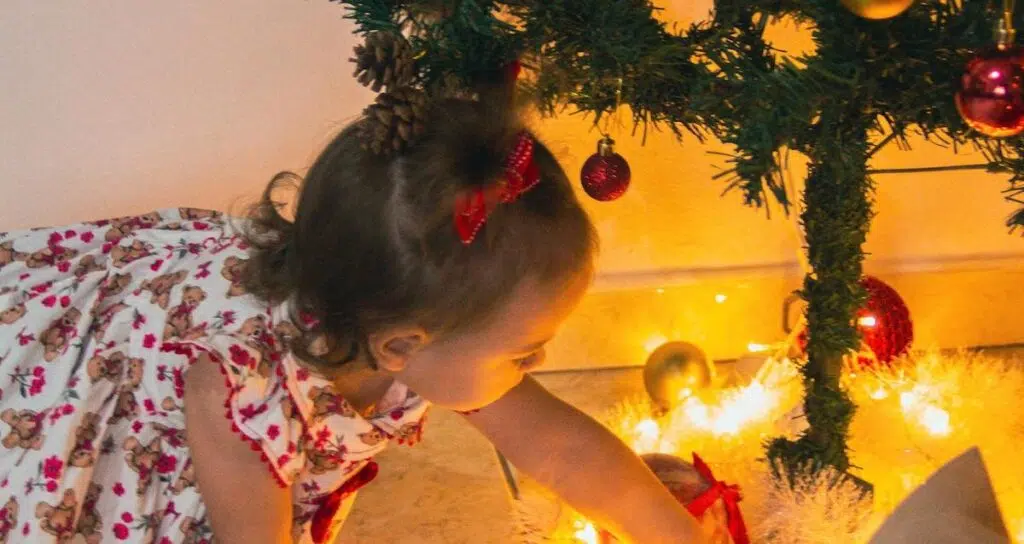


Shopping for toddlers at Christmas can feel like a mission straight out of Santa’s workshop. They’re at that magical age where every present feels like the best thing ever — for about five minutes until the box it came in becomes the star of the show.
Whether you’re a parent, grandparent, or the cool auntie/uncle trying to impress, finding the perfect gift can be a balancing act between fun, practical, and safe.
This guide to the 20 best toddler Christmas presents will take the guesswork out of your holiday shopping.
From educational toys that sneak in some learning to outdoor gear for those tiny adventurers, there are toddler gift ideas here to delight every little personality. And yes, we’ve made sure to keep safety and durability at the top of the list, because let’s face it—toddlers are professional toy testers (and destroyers).
Safety first: ensuring the gift is safe for your toddler
When it comes to toddler gift ideas, safety should always be at the top of the list. At this age, curiosity knows no bounds, and anything within reach is fair game for chewing, throwing, or dismantling. Here’s how to ensure the gifts you’re choosing are as safe as they are fun:
1. Check for age-appropriate labels
Most toys come with an age recommendation on the packaging, and it’s there for a good reason. Gifts designed for older kids might have small parts, sharp edges, or mechanisms that could pose a choking or injury risk for toddlers. Look for toys explicitly marked as suitable for ages 1–3.
2. Avoid small parts
Toddlers are notorious for putting everything into their mouths, so steer clear of toys with small, detachable parts that could become choking hazards. A good rule of thumb? If it’s smaller than a 50-cent coin, it’s better suited for older kids.
3. Go for non-toxic materials
From wooden toys to squishy teethers, make sure they’re made of non-toxic materials and free from harmful chemicals like BPA, phthalates, and lead. This is especially crucial for toys likely to end up in your toddler’s mouth (which, let’s face it, is most of them).
4. Look for durable construction
Toddlers aren’t exactly gentle with their toys. Whether it’s being thrown across the room or stomped on during an energetic tantrum, durability matters. Choose toys made from sturdy, high-quality materials that can withstand a bit of rough play.
5. Avoid strings and cords
Gifts with long strings, cords, or ribbons might look festive, but they can pose a strangulation hazard for little ones. Stick to toys without these features or ensure any cords are very short and securely attached.
6. Ensure batteries are secure
Battery-powered toys can be great fun, but they come with extra safety considerations. Make sure battery compartments are screwed shut and can’t be easily opened by tiny, curious hands. Button batteries, in particular, are extremely dangerous if swallowed, so double-check any toys that include them.
7. Choose washable or easy-to-clean options
Let’s be honest: toddlers are a walking, drooling mess most of the time. Toys that can be wiped down or thrown in the washing machine are not only more hygienic but also save you a lot of cleaning hassle.
8. Avoid loud toys
While flashing lights and catchy tunes might seem entertaining, overly loud toys can be overwhelming for toddlers and even damage their sensitive hearing. If it’s louder than a normal conversation (around 60 decibels), it’s worth reconsidering.
9. Watch out for sharp edges
Double-check that every edge and corner of the toy is smooth and rounded. Even toys made of seemingly safe materials like plastic or wood can sometimes have rough spots or splinters that could cause harm.
10. Buy from trusted brands
There’s no shortage of bargain-bin toys out there, but quality and safety aren’t something to compromise on. Stick with trusted, reputable brands that comply with Australian safety standards (or the standards in your country if you’re shopping internationally).
Educational gifts for toddlers
From problem-solving to creativity, these kids gift ideas help little ones learn through play while keeping their curious minds engaged.
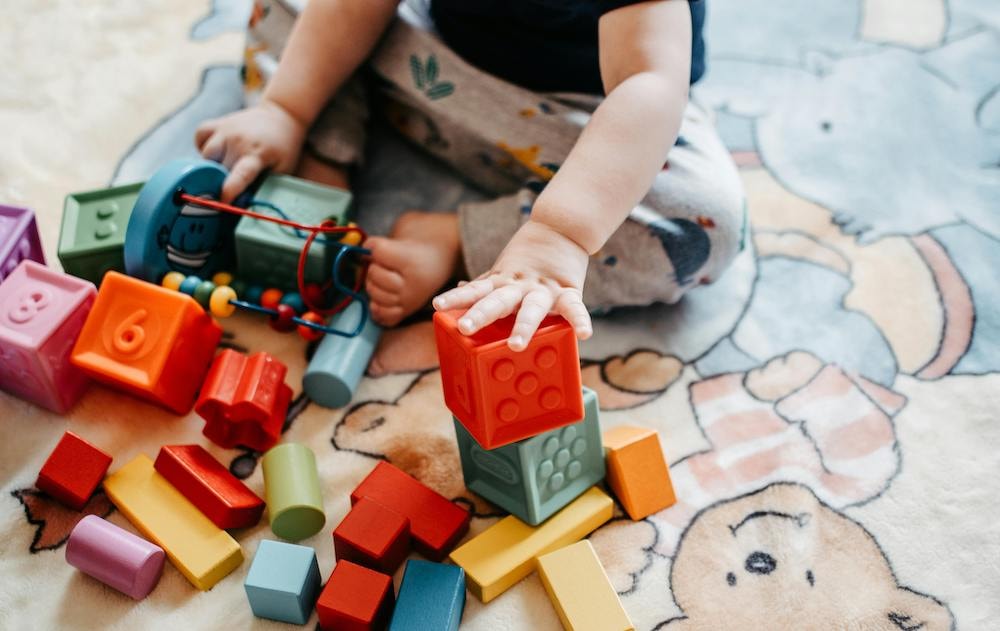
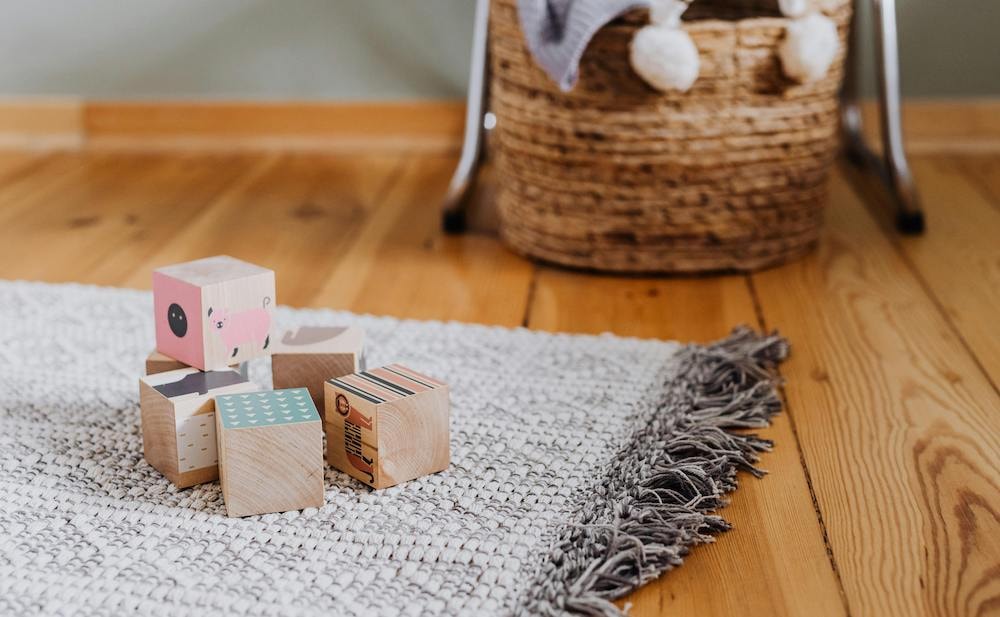
1. Building blocks
Building blocks are a timeless classic for a reason. These versatile toys come in all shapes and sizes, from wooden blocks to soft foam versions and interlocking plastic bricks. They encourage open-ended play, allowing toddlers to stack, build, and knock down creations over and over again. These can also be used as imaginative play toys.
How it’s beneficial:
- Physical development: Improves fine motor skills as toddlers grasp and manipulate the blocks.
- Emotional development: Helps build patience and persistence as they figure out how to balance and stack successfully.
- Cognitive skills: Enhances spatial awareness and introduces early engineering concepts as they figure out what structures work best.
Best for: Ages 1–3. Younger toddlers benefit from larger, lightweight blocks that are easy to grip and safe to mouth. Older toddlers can graduate to smaller or interlocking blocks for more advanced building challenges.
Where/how to use: Perfect for indoor play, especially on a mat or table where blocks won’t roll away. Blocks can also be incorporated into themed play—for example, building a zoo for animal toys or constructing a bridge for toy cars.
2. Chunky puzzles
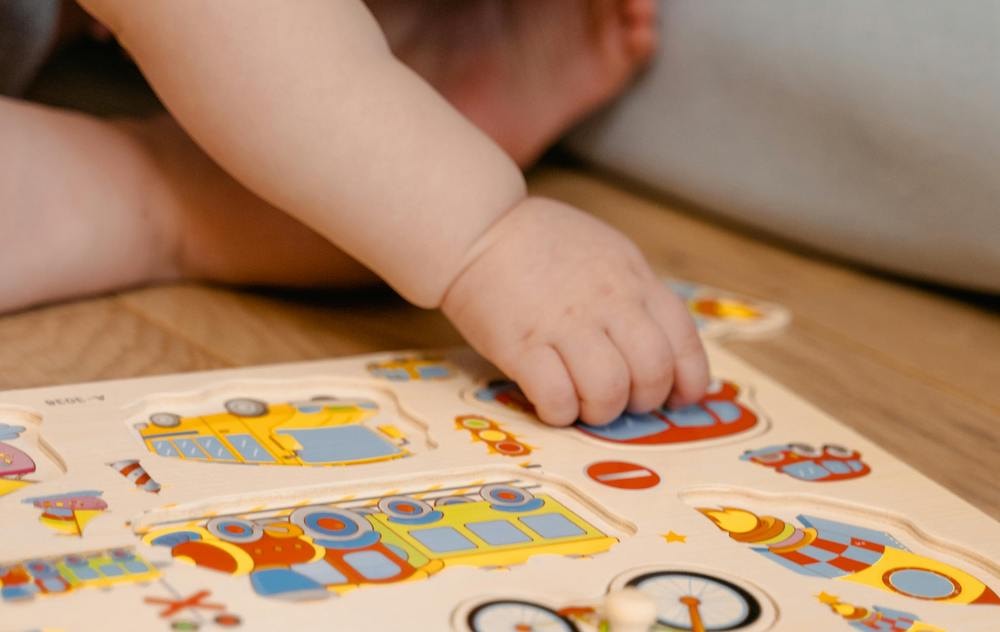
Chunky puzzles feature large, easy-to-hold pieces that fit into corresponding slots on a sturdy board. Designs often include animals, vehicles, numbers, or letters, making them both fun and educational toys.
How it’s beneficial:
- Physical development: Strengthens hand-eye coordination as toddlers grasp and fit pieces into place.
- Cognitive Skills: Boosts problem-solving as they learn to match shapes and recognise patterns.
- Language Development: Many puzzles include images with labels, helping toddlers associate pictures with words.
Best for: Ages 1–3. Younger toddlers can start with simple shapes or animal puzzles, while older ones can progress to puzzles with more pieces and detailed designs.
Where/how to use: Puzzles are great toddler toys for quiet play sessions, whether at home, on holiday, or even during mealtime prep to keep little hands busy. To make it more interactive, parents can name the images or sounds (e.g., “What sound does the cow make?”).
3. Shape sorters
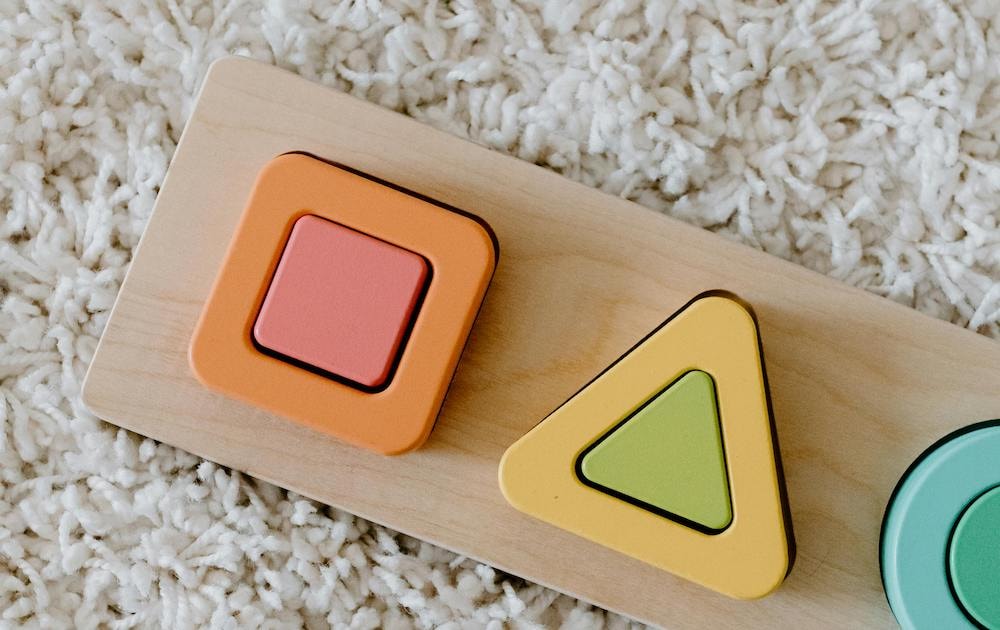
Shape sorters are fun, hands-on toddler toys that challenge toddlers to fit differently shaped pieces into corresponding holes. They come in various designs, from classic wooden boxes to more elaborate plastic versions with sounds or lights.
How it’s beneficial:
- Cognitive development: Encourages problem-solving and logical thinking as toddlers figure out which shape goes where.
- Fine motor skills: Develops hand strength and dexterity as they grasp and manipulate the pieces.
- Emotional skills: Boosts confidence when they successfully complete the task.
Best for: Ages 1–2.5. Younger toddlers might need guidance initially but will quickly learn to complete the task on their own.
Where/how to use: Shape sorters as toddler gifts work well as a structured activity during playtime. For added fun, turn it into a “hide and seek” game by hiding the shapes nearby and encouraging your toddler to find and sort them.
4. STEM toys
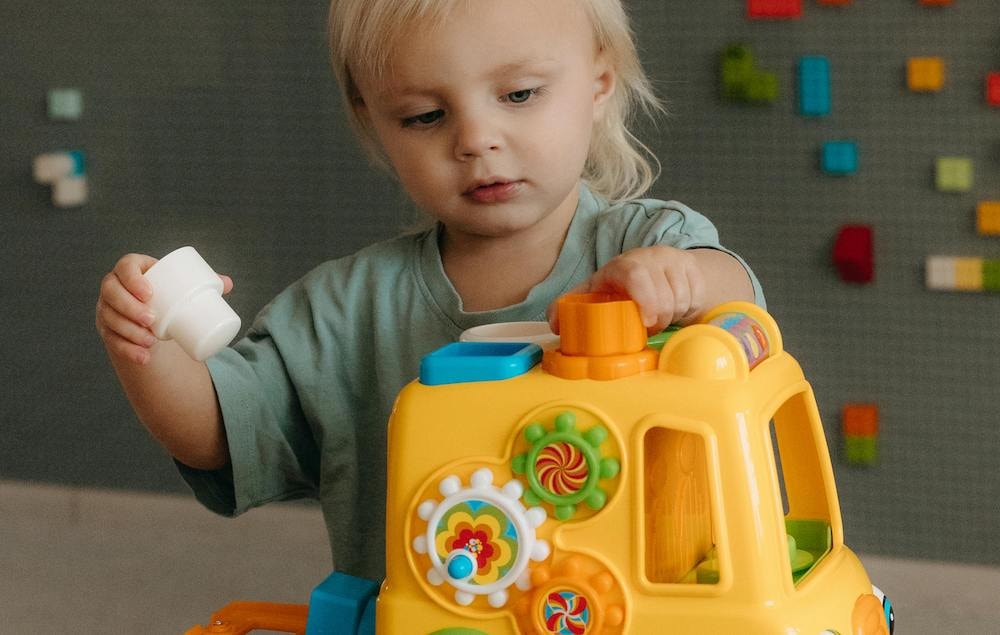
Introduce toddlers to the world of science, technology, engineering, and maths (STEM) with simple, age-appropriate toys. Think stacking gear sets, magnetic tiles, or toddler-friendly tools like chunky screwdrivers and nuts.
How it’s beneficial:
- Cognitive skills: Encourages curiosity about how things work and introduces basic STEM concepts.
- Problem-solving: Provides opportunities to experiment and figure out cause-and-effect relationships.
- Creativity: Sparks imagination as toddlers create new structures or designs.
Best for: Ages 2–3. These toys are ideal for toddlers who are showing an interest in how things move or connect.
Where/how to use: Use STEM toys during independent play or as part of a parent-guided activity. They’re particularly engaging when paired with simple storytelling—for example, “Let’s build a rocket to take us to space!”
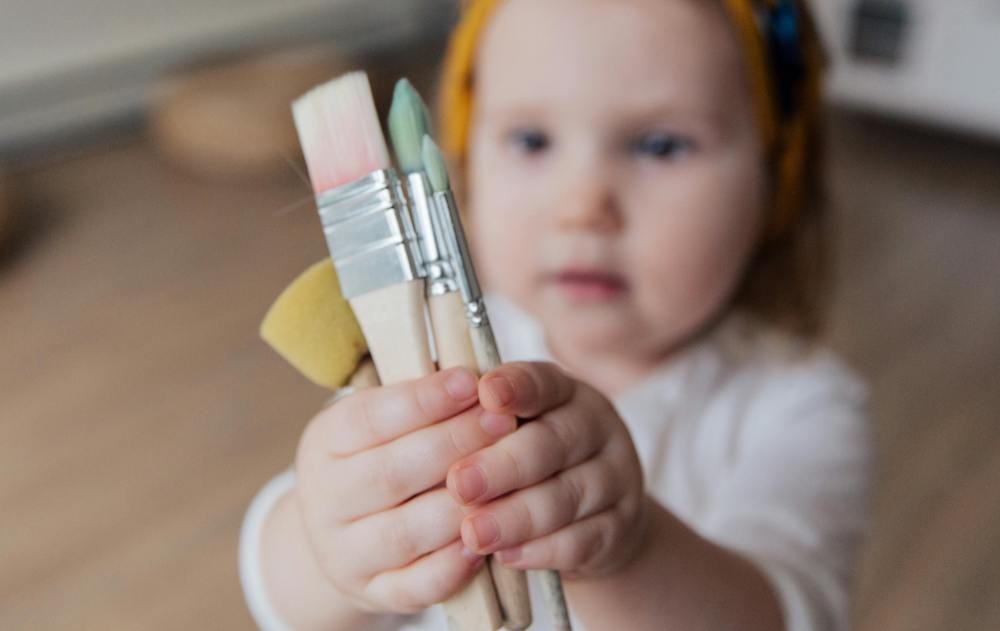
5. Art supplies
Art supplies like chunky crayons, washable markers, watercolour paints, and oversized drawing pads are fantastic for sparking creativity in little ones. Don’t forget tools like paintbrushes and easy-grip stampers for variety and endless fun.
How it’s beneficial:
- Fine motor skills: Improves hand control as toddlers learn to scribble, draw, and paint.
- Emotional development: Offers a creative outlet to express feelings and explore imagination.
- Cognitive Skills: Introduces concepts like colour recognition, shapes, and patterns.
Best for: Ages 1.5–3. Younger toddlers can start with basic scribbles, while older ones may begin to draw simple shapes or scenes.
Where/how to use: Set up a designated “art corner” with a smock or apron to protect clothing. Outdoors is ideal for messier projects like finger painting. Displaying their artwork boosts their confidence and shows you value their efforts.
6. Musical instruments
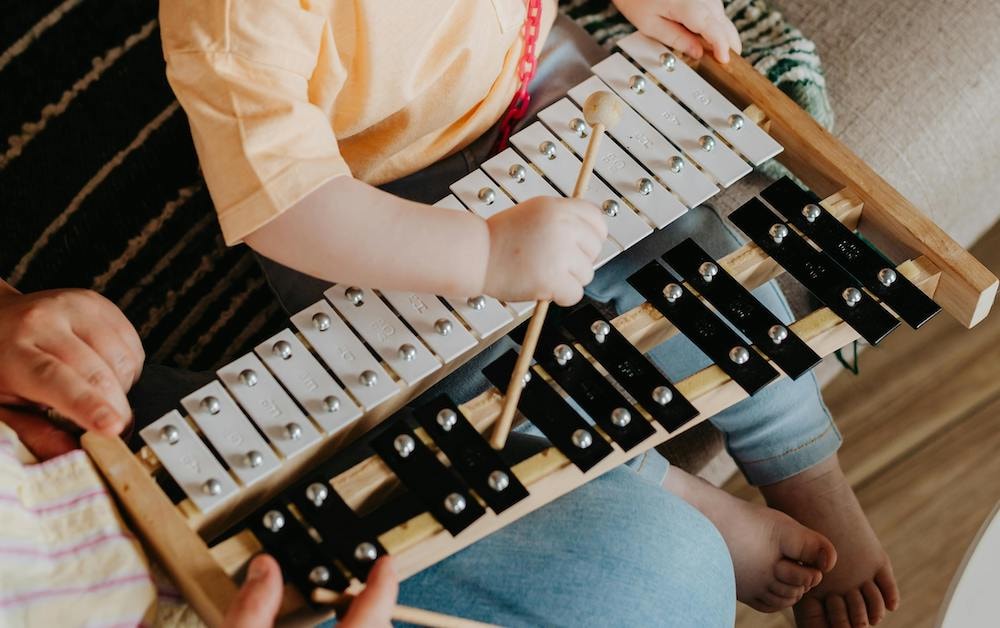
Introduce your toddler to rhythm and sound with beginner-friendly instruments like tambourines, maracas, drums, or xylophones. These toys are simple to use but endlessly entertaining.
How it’s beneficial:
- Sensory development: Stimulates hearing and touch while exploring different sounds and textures.
- Physical skills: Improves hand-eye coordination as they strike or shake the instruments.
- Emotional development: Encourages self-expression and boosts mood (especially with upbeat music!).
Best for: Ages 1–3. Start with lightweight, easy-to-handle instruments, and as they grow, add more complex options like a small keyboard.
Where/how to use: Music time can be a group activity—parents and siblings can join in for a family “band.” Instruments are also great for solo play, allowing toddlers to experiment at their own pace.
Indoor and outdoor toddler gifts
Active play is essential for toddlers, helping them develop coordination, balance, and strength while burning off all that boundless energy. Here are some fantastic kids gift ideas to encourage movement and exploration, with options for both indoor and outdoor fun.
1. Tricycles and balance bikes
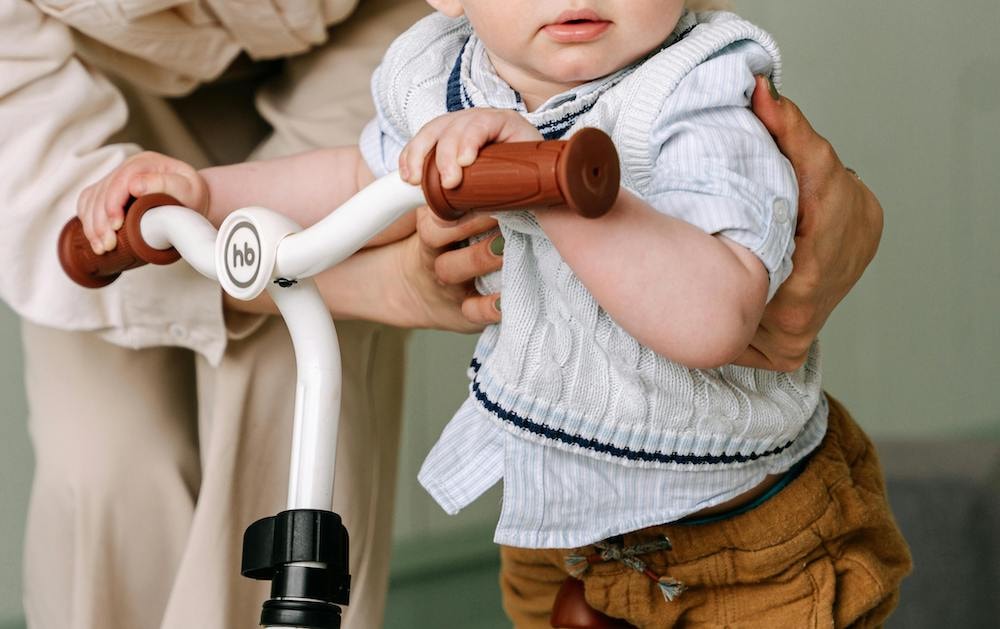
Tricycles and balance bikes are the perfect introduction to wheels for little ones. Tricycles provide stability for younger toddlers, while balance bikes help older toddlers develop coordination and prepare them for pedal bikes.
How it’s beneficial:
- Physical development: Improves balance, coordination, and gross motor skills.
- Emotional development: Builds confidence as toddlers learn to navigate independently.
- Social skills: Encourages interaction when used alongside siblings or friends.
Best for: Ages 2–3. Younger toddlers may prefer a tricycle with a parent handle, while older ones can transition to balance bikes for a greater challenge.
Where/how to use: Best for outdoor use on smooth surfaces like driveways, footpaths, or parks. Indoor use is possible for tricycles, provided there’s enough space and no delicate furniture nearby!
2. Ride-on toys
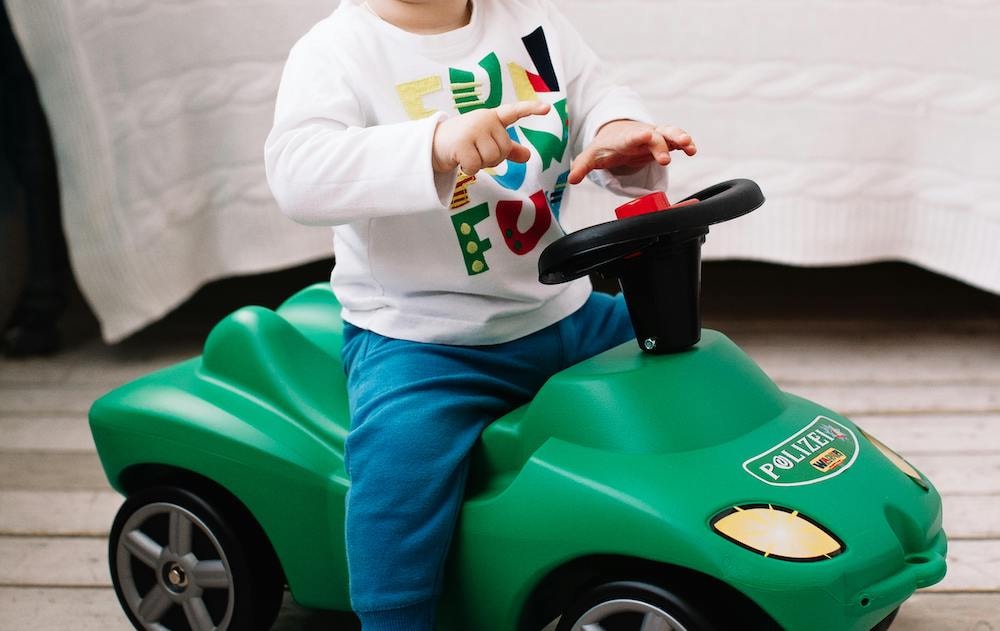
Ride-on toys come in all shapes and sizes, from simple push-along vehicles to themed designs like cars or animals. Many include interactive features like buttons or sound effects for added entertainment.
How it’s beneficial:
- Physical development: Enhances balance, leg strength, and coordination.
- Imaginative play: Toddlers love pretending to “drive” or ride their favourite animal.
- Cognitive skills: Interactive elements like buttons and levers can introduce cause-and-effect learning.
Best for: Ages 1–3. Look for low-to-the-ground options for younger toddlers and slightly larger designs with footrests or handlebars for older ones.
Where/how to use: Suitable for both indoor and outdoor use. They’re great for spacious living rooms or outdoor patios and gardens.
3. Soft play sets
Foam climbing blocks, tunnels, or foldable gym mats provide a safe space for toddlers to tumble, climb, and crawl. These sets often come in vibrant colours that attract young ones and inspire creative play.
How it’s beneficial:
- Physical development: Encourages climbing, crawling, and other gross motor skills.
- Imaginative play: Allows toddlers to invent games like “building a fort” or “crossing a river.”
- Emotional development: Provides a safe outlet for energetic play, reducing tantrums and restlessness.
Best for: Ages 1–3. Ideal for toddlers with lots of energy who enjoy exploring new challenges.
Where/how to use: Designed for indoor use, especially in playrooms or living rooms. They’re excellent for rainy days or when outdoor play isn’t possible.
4. Outdoor play equipment
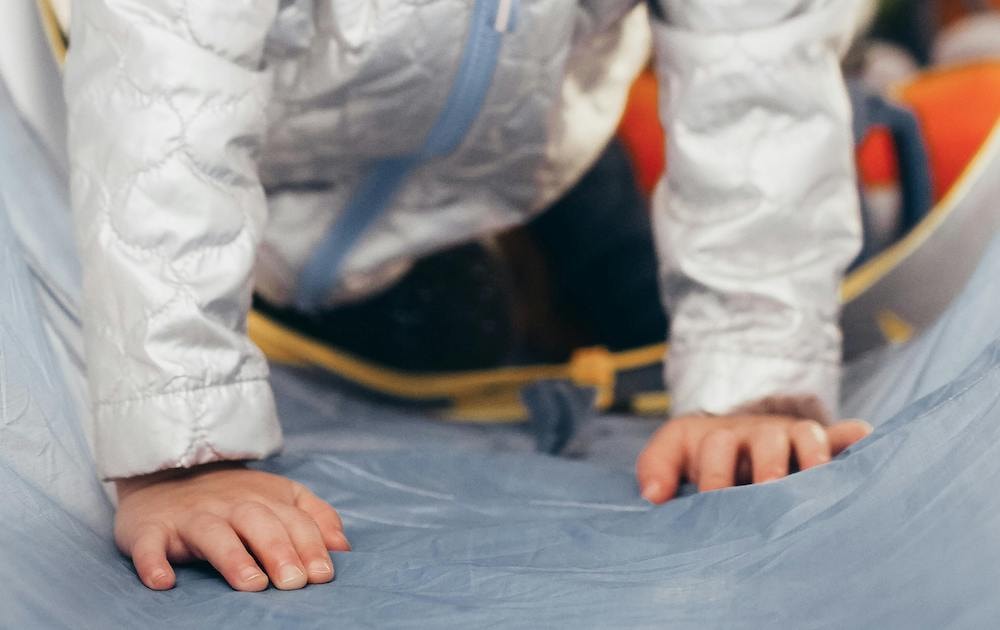
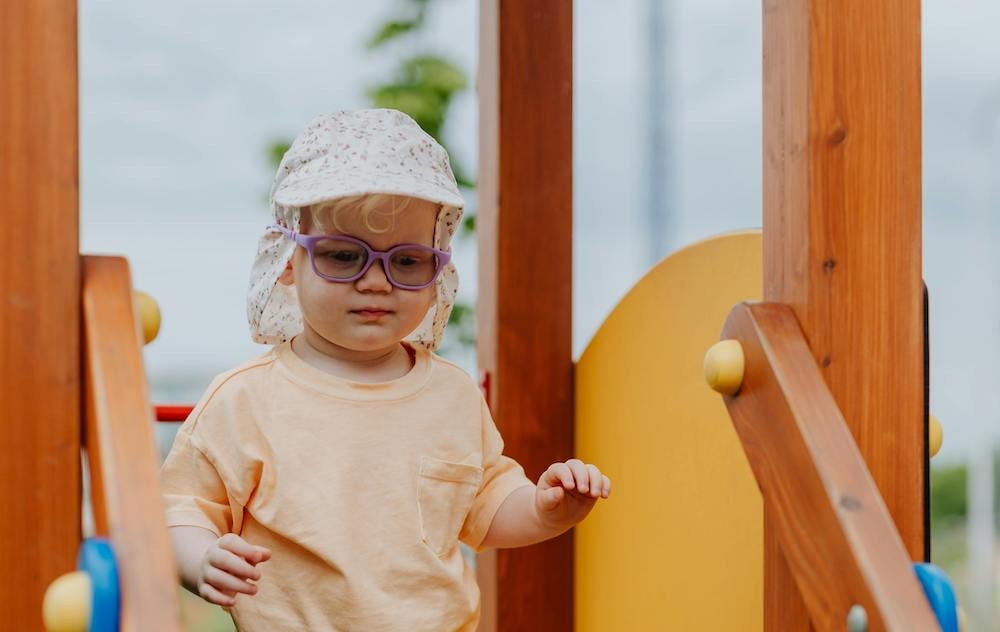
Toddler-friendly slides, sandboxes, or water tables provide endless entertainment while encouraging physical and sensory play. Many options are compact enough to fit in small yards.
How it’s beneficial:
- Physical development: Improves climbing and balancing skills on slides or climbing frames.
- Sensory play: Sandboxes and water tables encourage exploration and tactile learning.
- Social skills: Promotes sharing and cooperation when multiple children play together.
Best for: Ages 1.5–3. Choose smaller equipment with safety features like rounded edges and sturdy bases.
Where/how to use: Exclusively for outdoor use. Perfect for gardens, backyards, or local parks.
5. Pop-up tents and tunnels
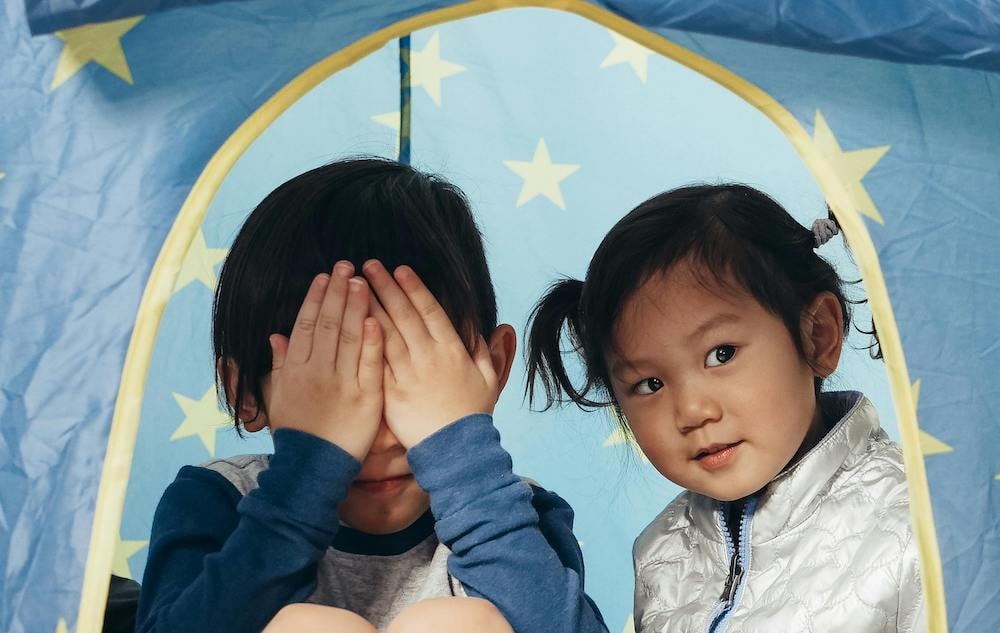
Lightweight, collapsible tents and tunnels create instant play spaces that toddlers adore. They can crawl through tunnels, hide in tents, or use them as part of pretend play scenarios.
How it’s beneficial:
- Physical development: Encourages crawling and movement.
- Imaginative play: Sparks creativity as toddlers turn tents into castles, forts, or secret hideouts.
- Emotional development: Offers a cosy, personal space that can be soothing and comforting.
Best for: Ages 1–3. Tents and tunnels are especially appealing to toddlers who enjoy active and imaginative play.
Where/how to use: Suitable for both indoor and outdoor use. Indoors, they’re great for playrooms or bedrooms. Outdoors, they can be set up in gardens or on patios.
Personalised gifts for toddlers
There’s something undeniably special about a personalised gift. For toddlers, these items can become cherished keepsakes while also helping them feel unique and loved. From customised toys to personalised décor, here are some wonderful ideas that combine thoughtfulness with practicality.
1. Name puzzles
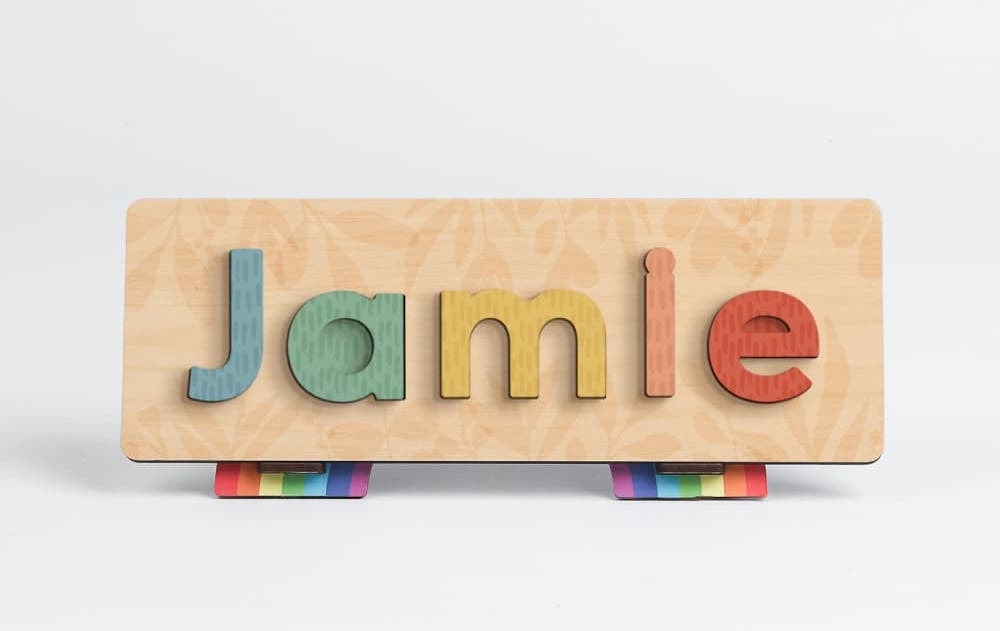
Name puzzles are a delightful way to teach toddlers how to spell their name while also providing a fun and engaging activity. These wooden puzzles typically feature brightly coloured letters that can be slotted into a sturdy board. We love this one from Tiny Me.
How it’s beneficial:
- Cognitive skills: Introduces early literacy by helping toddlers recognise letters in their name.
- Fine motor skills: Improves dexterity as they grasp and fit the letters into place.
Emotional development: Builds confidence and pride in learning something uniquely theirs.
Best for: Ages 1.5–3. Younger toddlers may need help initially but will quickly learn to match the letters to their slots.
Where/how to Use: Ideal for indoor play, especially on a flat surface like a table or play mat. For added fun, parents can encourage toddlers to name the letters aloud or spell their name together.
2. Custom storybooks
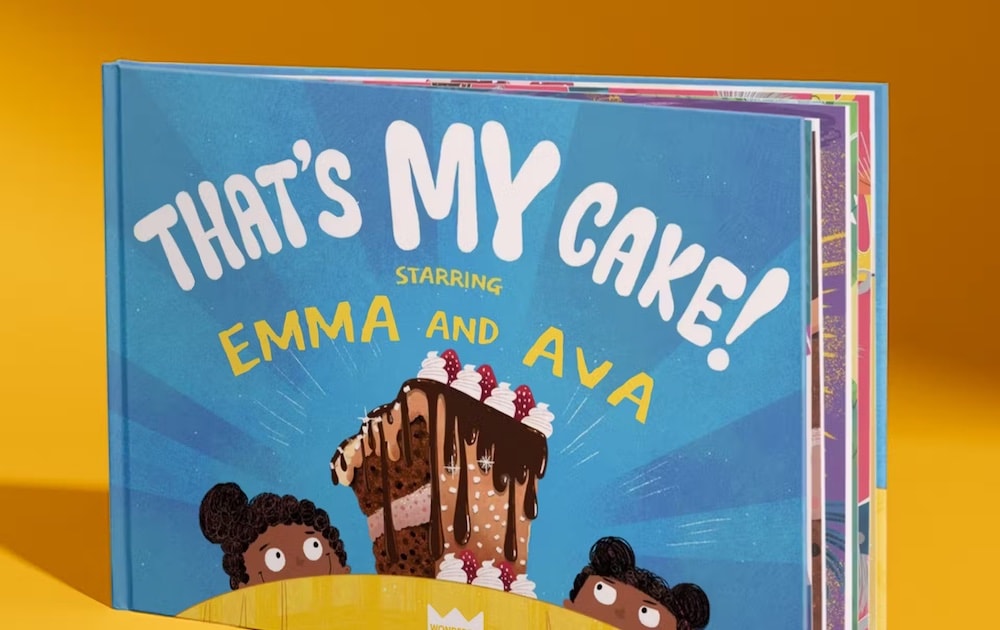
Imagine your toddler as the star of their very own story! Personalised storybooks, like you can get from Wonderbly, often include the child’s name and sometimes even their likeness, making storytime even more captivating.
How it’s beneficial:
- Language development: Encourages a love of reading and expands vocabulary.
- Cognitive skills: Helps develop listening and comprehension abilities.
- Imaginative play: Sparks creativity as they imagine themselves in the story’s adventures.
Best for: Ages 2–3. Younger toddlers can enjoy listening to the story, while older ones may begin recognising their name in print.
Where/how to use: Perfect for quiet moments like bedtime or cuddles on the couch. These books also make excellent travel companions for road trips or flights.
3. Embroidered blankets or pillows
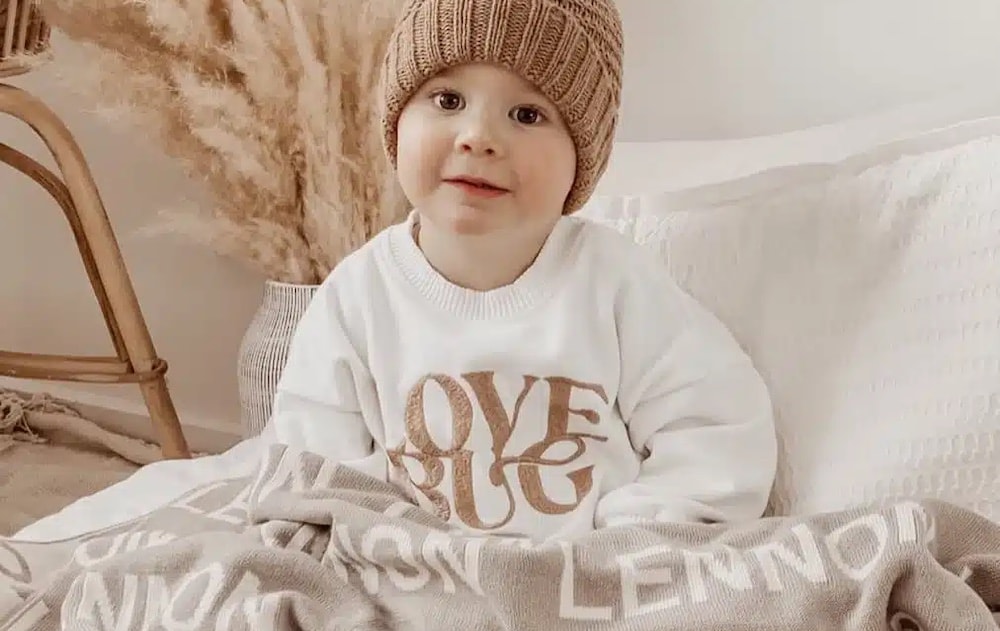
A soft blanket or pillow embroidered with your toddler’s name or initials (check out this one by Thread the Word) is a sentimental and practical gift. These items can become treasured comforts, perfect for nap time, travel, or simply lounging around.
How it’s beneficial:
- Emotional development: Provides a sense of security and comfort, especially during quiet or restful moments.
- Sensory play: The soft textures can soothe and calm toddlers.
- Personal connection: Reinforces their sense of identity with a personalised item.
Best for: All ages from infancy through toddlerhood.
Where/how to use: Best for indoor use, whether in their bed, a cosy reading nook, or a favourite lounging spot. Blankets are also handy for trips in the car or pram.
4. Personalised toy chests
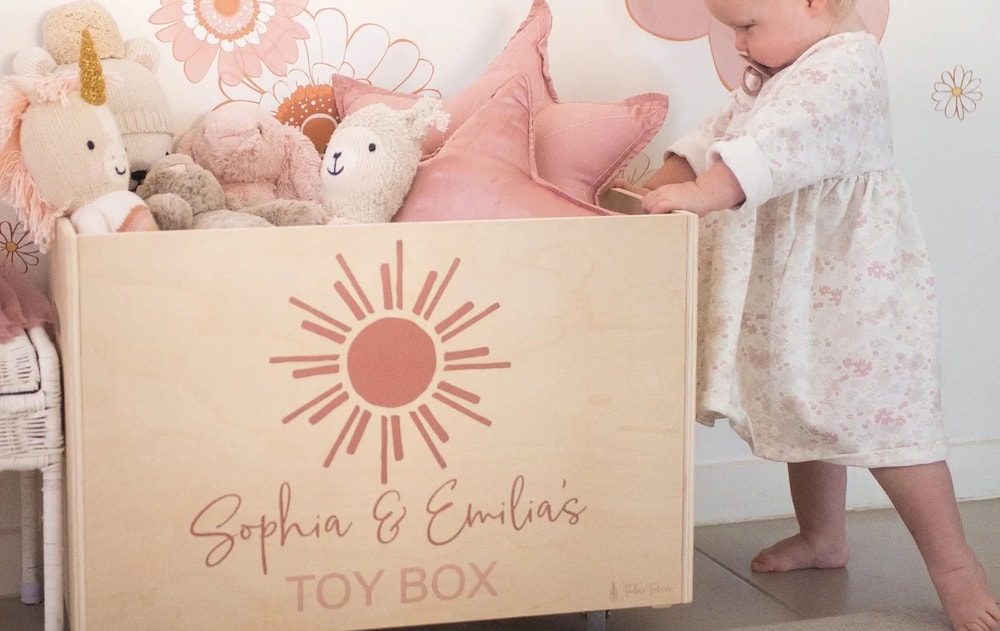
Help your toddler keep their play area tidy with a personalised toy chest (like from Timber Tinkers). These sturdy storage options often feature their name on the front, turning cleanup time into a special task.
How it’s beneficial:
- Organisational skills: Introduces the concept of tidying up and sorting belongings.
- Emotional development: Instils a sense of ownership and pride in taking care of their items.
- Fine motor skills: Lifting the lid and placing toys inside helps develop coordination.
Best for: Ages 2–3, when toddlers begin understanding the concept of cleanup routines.
Where/how to use: Ideal for use in playrooms or bedrooms. Encourage your toddler to decorate their toy chest with stickers or other personal touches for added fun.
5. Personalised growth charts
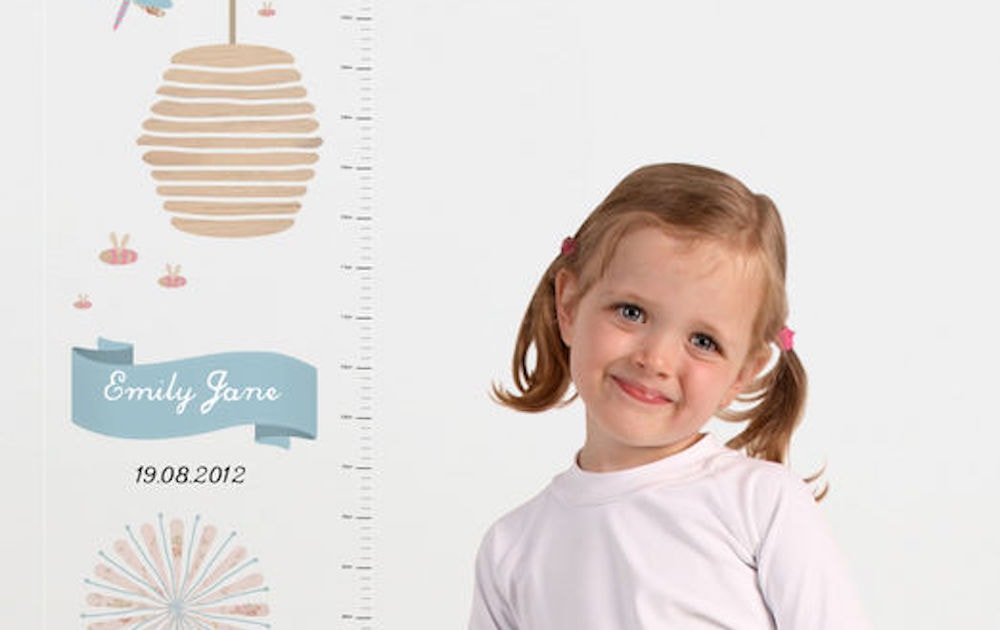
A growth chart featuring your toddler’s name and a fun design is a thoughtful way to track their milestones. These charts often come in themes like animals, rainbows, or outer space, making them an adorable addition to their room décor. Tiny Me has some adorable options to choose from.
How it’s beneficial:
- Cognitive skills: Helps introduce numbers and the concept of measurement.
- Emotional development: Encourages a sense of pride in their growth and achievements.
- Visual stimulation: Colourful designs make it a fun and engaging feature in their room.
Best for: Ages 1+. Toddlers will enjoy revisiting the chart as they grow taller over time.
Where/how to use: Best for indoor use, ideally mounted on a wall in their bedroom or play area. Measuring and marking growth can become a fun family ritual.
6. Personalised clothing
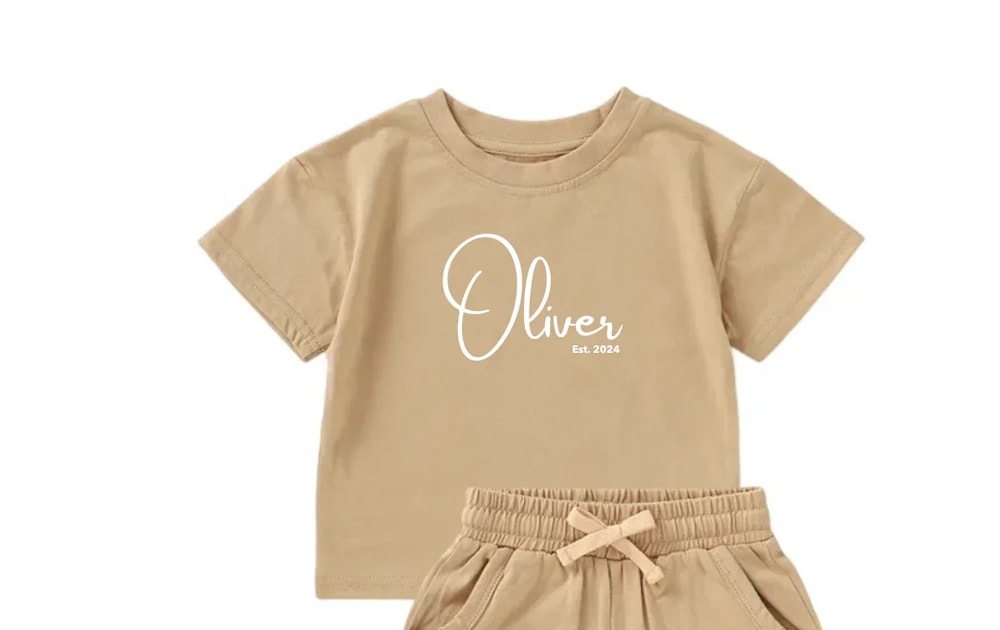
Clothing with your toddler’s name, initials, or a favourite character paired with their name makes for a stylish and meaningful gift. Items like hats, T-shirts, or pyjamas are both practical and cute. For some super cute matching sets, check out My little Wardrobe.
How it’s beneficial:
- Emotional development: Boosts confidence and identity by seeing their name on something they wear.
- Practicality: Encourages independence when toddlers start recognising and choosing their clothes.
- Sensory awareness: Soft fabrics provide comfort and encourage tactile exploration.
Best for: Ages 1–3. Customised outfits are particularly adorable for family holiday photos or special occasions.
Where/how to use: Suitable for everyday wear at home, outings, or festive celebrations. Personalised pyjamas make bedtime feel extra special.
Sensory and interactive gifts
Sensory and interactive toys are a fantastic way to engage toddlers and support their natural curiosity. These gifts stimulate multiple senses—sight, sound, touch, and sometimes even smell—while encouraging active exploration. Perfect for hands-on learners, these toys provide both entertainment and developmental benefits.
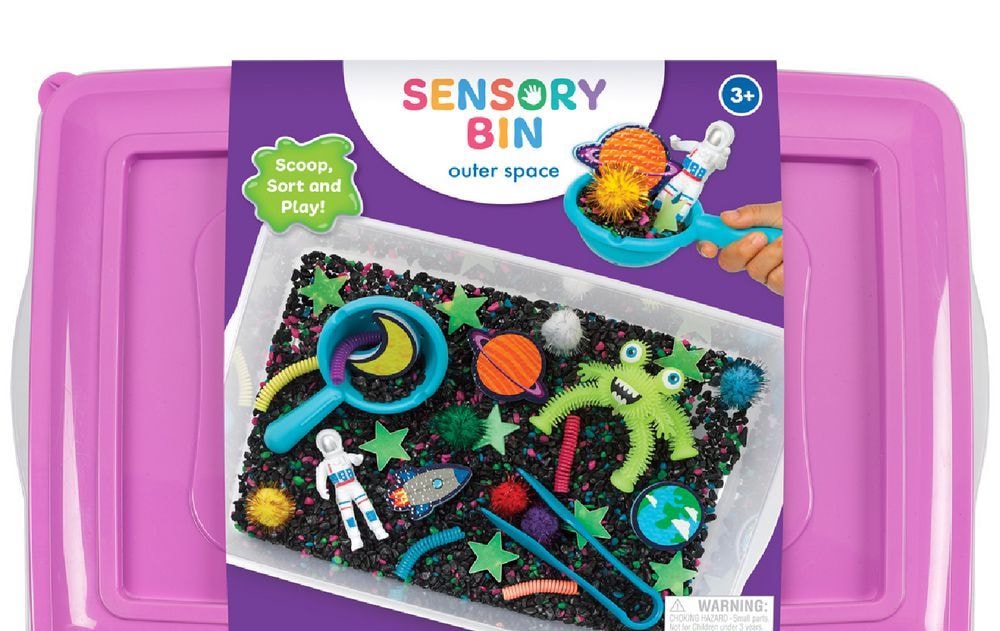
1. Sensory bins
Sensory bins are a treasure trove of textures and materials, filled with items like rice, kinetic sand, pom-poms, or water beads. These bins often include scoops, cups, or small toys for added interaction. You can grab them straight from Kmart or Officeworks.
How it’s beneficial:
- Sensory development: Introduces new textures and helps refine the sense of touch.
- Fine motor skills: Improves hand strength and coordination as toddlers scoop, sort, and pour.
- Cognitive skills: Encourages creativity and problem-solving during play.
Best for: Ages 1.5–3. Younger toddlers benefit from simpler bins with larger items, while older toddlers enjoy more complex activities like finding hidden objects.
Where/how to use: Best used indoors, either on a table or spread out on the floor with a protective mat underneath. It’s also a great activity for messy play outdoors on a patio or grass.
2. Light-up and musical toys
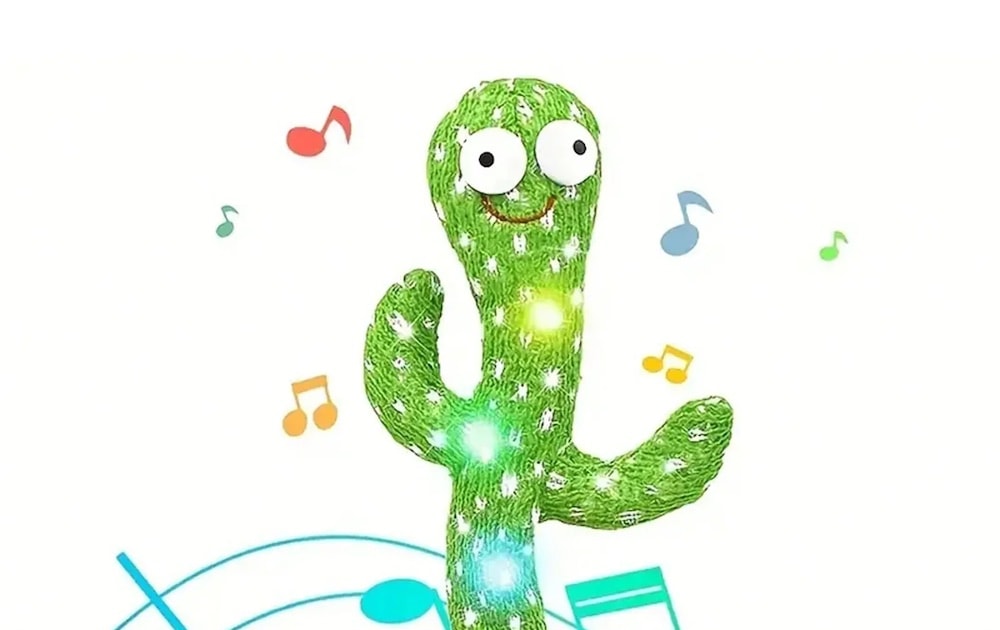
These toys react to your toddler’s actions with flashing lights, music, or sounds. Think interactive drums, colourful keyboards, or toys that sing songs when buttons are pressed. We’re obsessed with this Dancing and Talking Cactus from Little Infants.
How it’s beneficial:
- Sensory development: Stimulates hearing and vision through sound and light.
- Cognitive skills: Teaches cause and effect—pressing a button produces a specific response.
- Physical development: Helps improve coordination as toddlers reach for and manipulate the toy.
Best for: Ages 1–3. Look for toys with adjustable volume and simple, easy-to-activate features.
Where/how to use: Suitable for indoor use, especially during active play sessions or when your toddler needs a quick distraction.
3. Water play toys
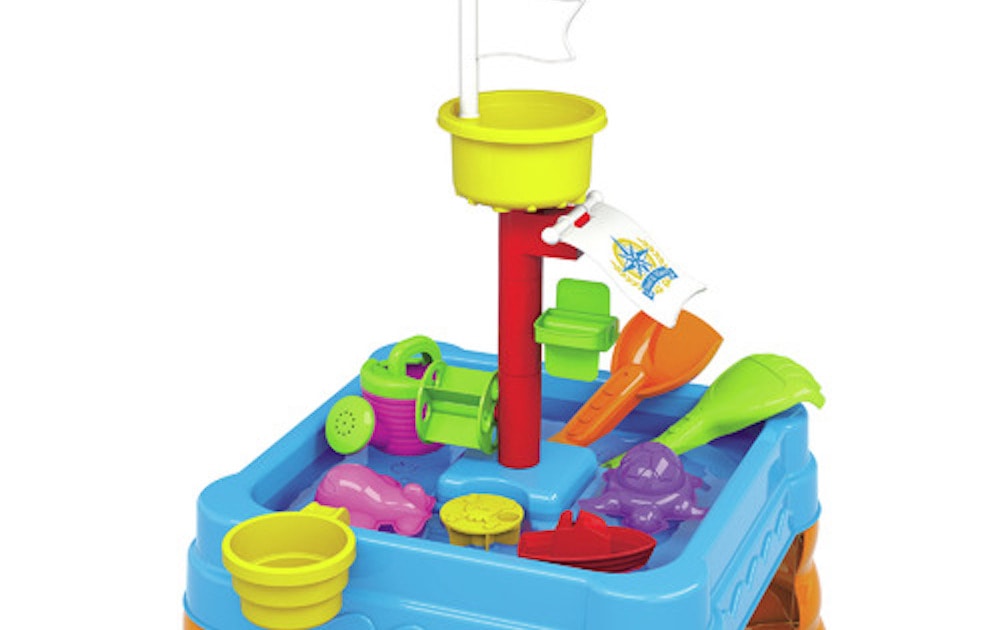
Toys like bath squirters, floating boats, or water wheels make bath time an adventure. For outdoor play, splash mats or water tables are a fantastic way to cool off while exploring the wonders of water. Temple and Webster have a Sand and Water Table Play Set that is sure to create lots of fun.
How it’s beneficial:
- Sensory development: Engages touch and hearing with the soothing sensation and sounds of water.
- Fine motor skills: Encourages squeezing, pouring, and splashing.
- Cognitive skills: Introduces concepts like floating, sinking, and basic water physics.
Best for: Ages 1–3. Toys with simple designs are ideal for younger toddlers, while older ones enjoy water tables with more interactive elements.
Where/how to use: Bath toys are perfect for indoor use during bath time, while splash mats and water tables are best for outdoor use on warm days.
4. Push-and-Pull toys
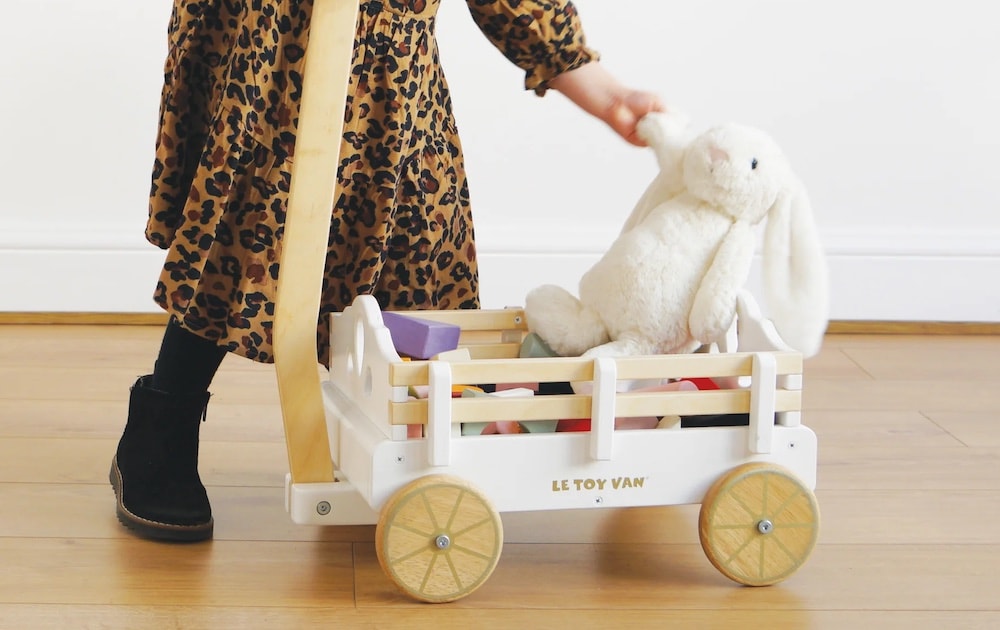
Classic push-and-pull toys like wagons, animal-shaped pull toys, or poppers on wheels encourage toddlers to stay active while exploring their surroundings. Our pick is the Wooden Wagon from Le Toy Van.
How it’s beneficial:
- Physical development: Strengthens leg muscles and improves balance and coordination.
- Cognitive skills: Teaches spatial awareness as they navigate the toy around obstacles.
- Imaginative play: Sparks creativity, especially with animal-themed pull toys that become “pets.”
Best for: Ages 1–2. Younger toddlers love lightweight toys with bright colours, while sturdier options are great for older toddlers mastering their walking skills.
Where/how to use: Suitable for both indoor and outdoor use. Indoors, they work well on smooth floors, while outdoors they’re perfect for driveways, patios, or grassy areas.
5. Activity tables
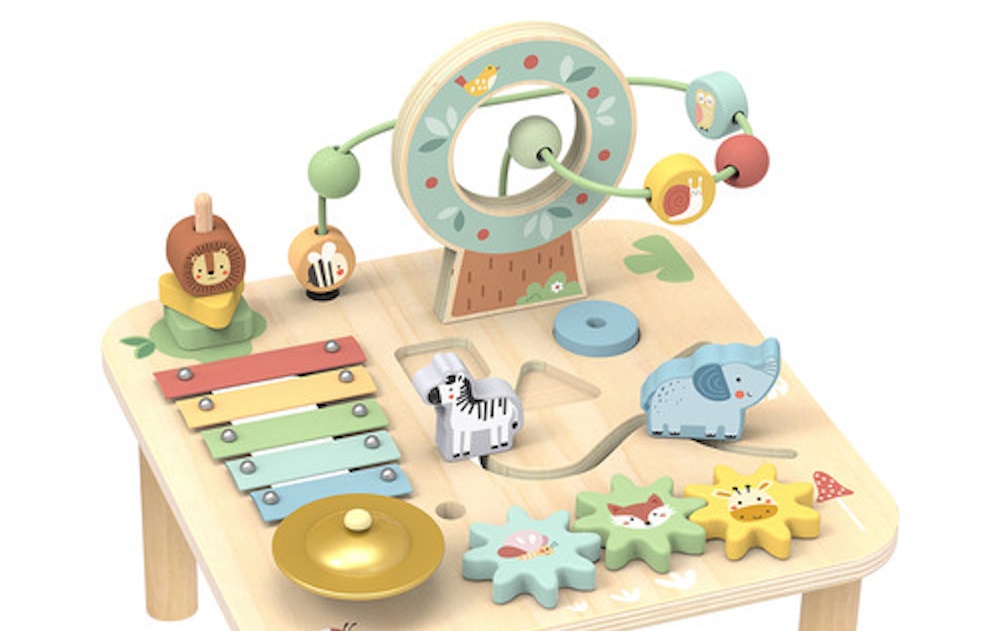
Activity tables are packed with interactive features like buttons, levers, and dials that light up or produce sounds. These tables often include themes like a farmyard, construction site, or musical instruments. Have a look at Tooky Toy My Forest Friends Activity Table.
How it’s beneficial:
- Fine motor skills: Enhances dexterity as toddlers twist, press, and slide components.
- Cognitive skills: Introduces early problem-solving and cause-and-effect learning.
- Social skills: Great for cooperative play when friends or siblings join in.
Best for: Ages 1–2. Adjustable height tables can grow with your toddler, providing extended value.
Where/How to use: Designed for indoor use, activity tables fit well in playrooms or living rooms.
6. Tactile sensory books
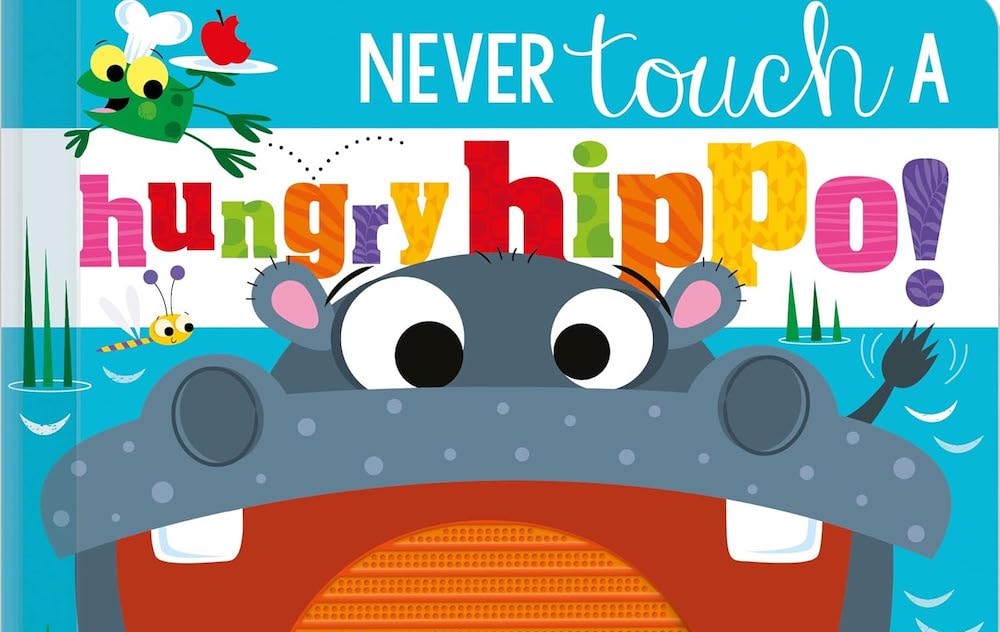
These books include interactive elements like soft fur, scratchy textures, or flaps to lift. They focus on themes like animals, vehicles, or holiday stories, making them both educational and engaging. Your kid is bound to have some adorable interactions. One popular example is Never Touch a Hungry Hippo by Rosie Greening and Stuart Lynch.
How it’s beneficial:
- Language development: Builds vocabulary through simple words and engaging stories.
- Sensory development: Introduces textures and encourages tactile exploration.
- Cognitive skills: Stimulates curiosity and observational skills as toddlers explore the pages.
Best for: Ages 1–2. Younger toddlers will enjoy exploring the textures, while older ones can begin engaging with the story.
Where/how to use: Ideal for quiet indoor moments like storytime before bed or during car rides.
7. Kinetic sand
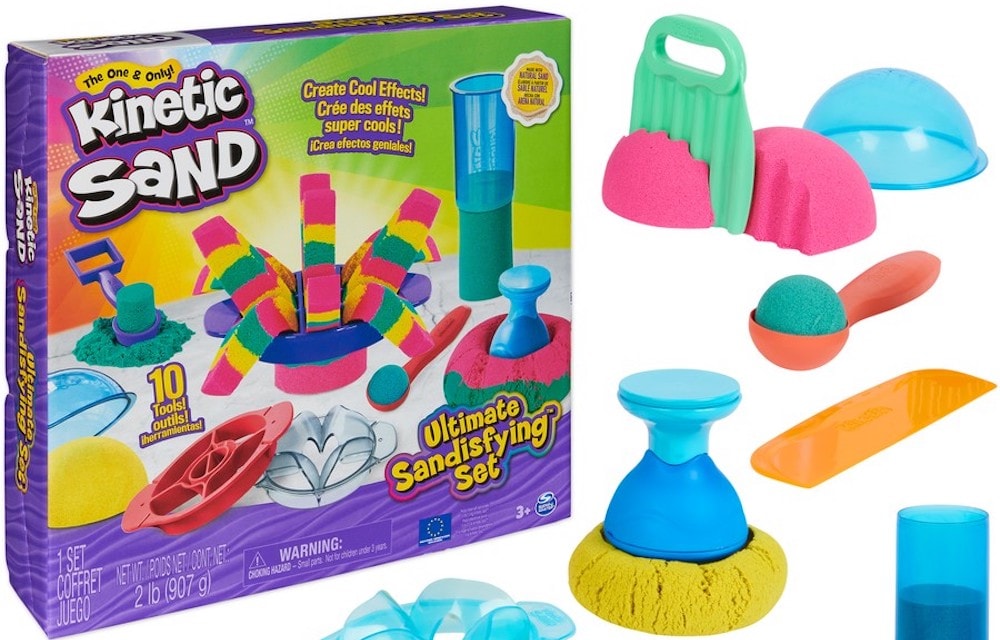
Kinetic sand is a mess-free way for toddlers to explore the sensation of moulding and sculpting. It sticks to itself so that cleanup is nice and easy. You can grab a Kinetic Sand set from Big W (how good).
How it’s beneficial:
- Fine motor skills: Develops hand strength and precision as toddlers squeeze, shape, and smooth the sand.
- Imaginative play: Encourages creativity as they mould castles, animals, or other shapes.
- Sensory development: Provides a calming, therapeutic experience.
Best for: Ages 2–3. Younger toddlers may need supervision to avoid tasting the sand, but it’s generally safe for little ones.
Where/how to use: Best for indoor play on a table with a protective mat or tray. It can also work outdoors on a patio or in a sensory play area.
Eco-friendly and sustainable gifts for toddlers
For parents who are mindful of their environmental impact, eco-friendly gifts are a wonderful way to teach toddlers about sustainability from an early age. These toys and products are made from natural, recycled, or sustainably sourced materials, ensuring they’re as kind to the planet as they are to your little one.
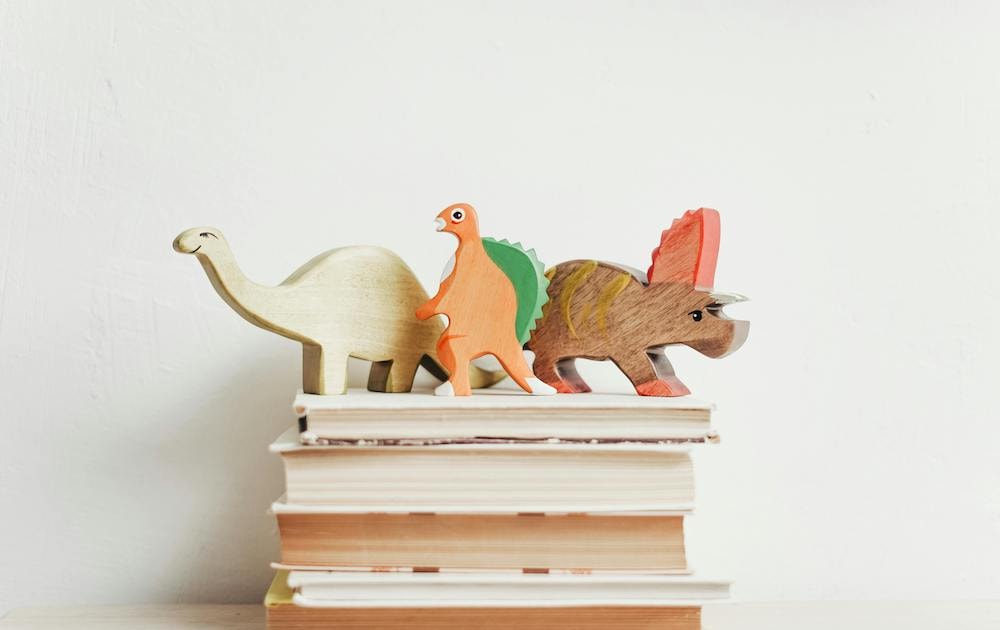
1. Wooden toys
Wooden toys like stacking rings, pull-along animals, or puzzles are a staple in eco-friendly playrooms. They’re durable, biodegradable, and often handcrafted with non-toxic finishes.
How it’s beneficial:
- Physical development: Encourages fine and gross motor skills, depending on the type of toy.
- Cognitive skills: Supports problem-solving and imaginative play.
- Environmental impact: Reduces reliance on plastic and is often made using sustainable materials.
Best for: Ages 1–3. Wooden toys come in all forms, so you can find age-appropriate options for every stage of toddlerhood.
Where/how to use: Ideal for indoor play. Many wooden toys also double as charming décor pieces when not in use.
2. Organic cotton stuffed animals
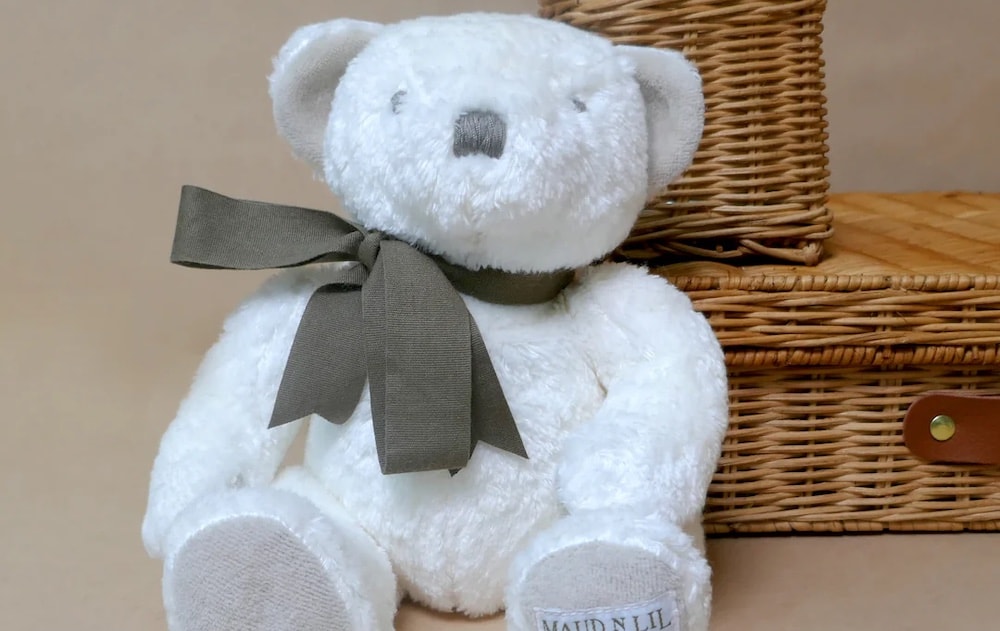
Soft toys made from organic cotton are not only adorable but also free from harmful dyes and chemicals. These cuddly companions are a safer, more sustainable alternative to mass-produced plush toys. Any soft toy from Maud N Lil will be a hit.
How it’s beneficial:
- Emotional development: Provides comfort and security, especially during naps or bedtime.
- Sensory development: Soft textures encourage tactile exploration.
- Environmental impact: Reduces the use of synthetic fibres and promotes eco-friendly farming practices.
Best for: All ages from infancy onwards. They’re perfect for toddlers who love snuggling with their toys.
Where/how to use: Suitable for indoor use, especially in cribs, beds, or cosy play corners.
3. Eco-friendly mealware
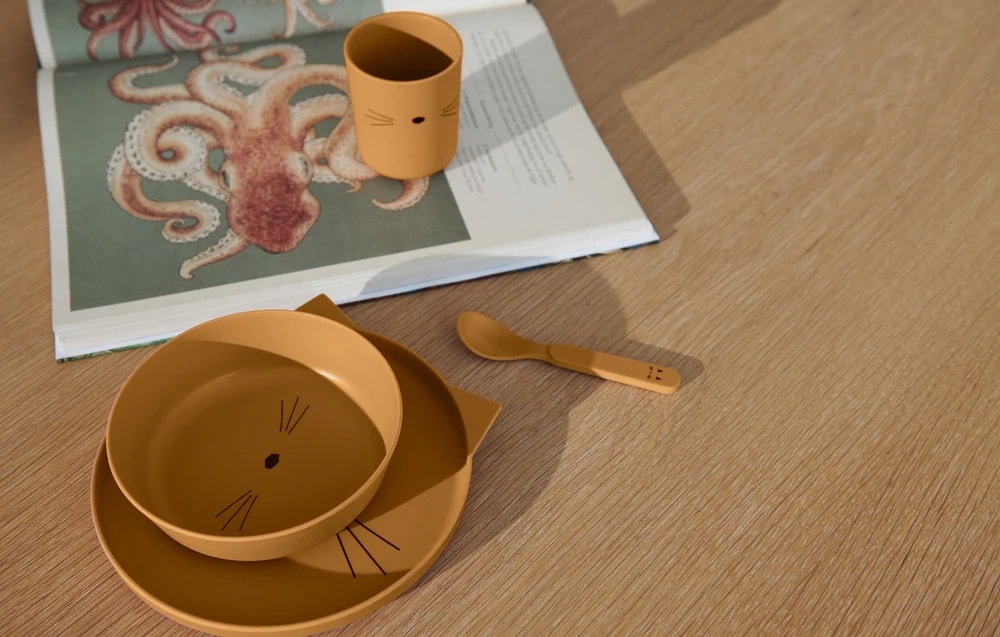
Eco-friendly mealware sets that are plant-based or made from renewable materials are practical gifts that toddlers and parents will appreciate. Many sets include plates, bowls, cups, and utensils in vibrant, toddler-friendly designs. A special shout-out goes to the Liewood Brody Junior Eating Set.
How it’s beneficial:
- Practicality: Encourages self-feeding and independence during mealtimes.
- Safety: Free from BPA, phthalates, and other harmful chemicals.
- Environmental impact: Compostable, renewable or biodegradable, unlike plastic alternatives.
Best for: Ages 1–3, especially toddlers transitioning to solid foods and self-feeding.
Where/how to use: Perfect for indoor or outdoor meals, whether at the dinner table or during a picnic.
4. Recycled plastic toys
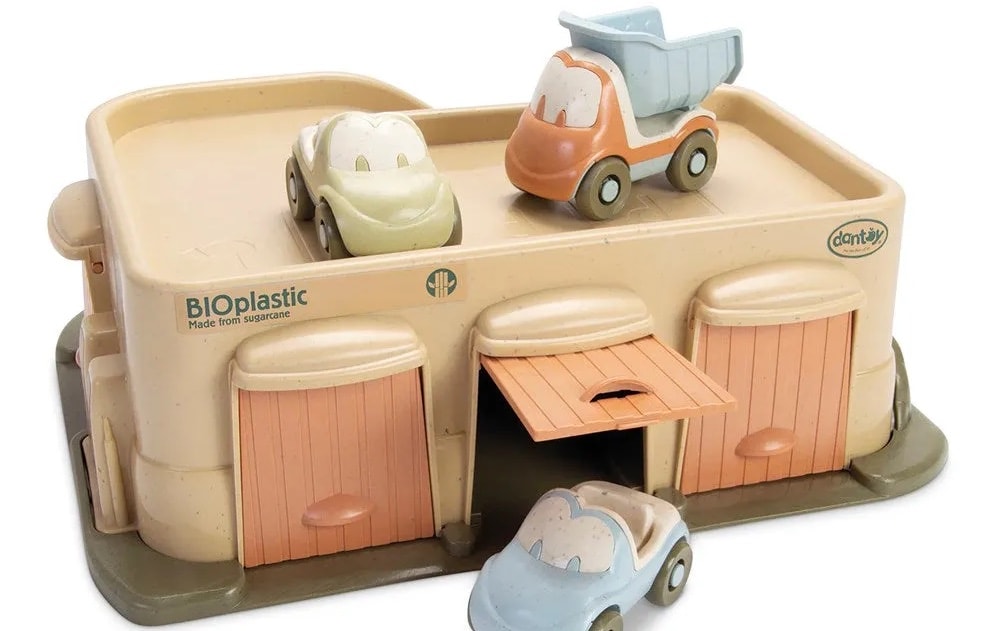
Some toy brands specialise in creating durable toys from recycled plastic, like stacking cups, shape sorters, or vehicles. These toys are just as colourful and engaging as traditional options but come with a lighter environmental footprint. A stand-out to us is the Dantoy Bioplastic range – they’re super cute and eco-friendly.
How it’s beneficial:
- Cognitive skills: Encourages problem-solving and exploration through play.
- Physical development: Strengthens fine motor skills and coordination.
- Environmental impact: Keeps plastic out of landfills and gives it a second life.
Best for: Ages 1–3. Choose simple, brightly coloured designs for younger toddlers and more complex toys for older ones.
Where/how to use: Great for both indoor and outdoor play, as recycled plastic toys are often water-resistant and easy to clean.
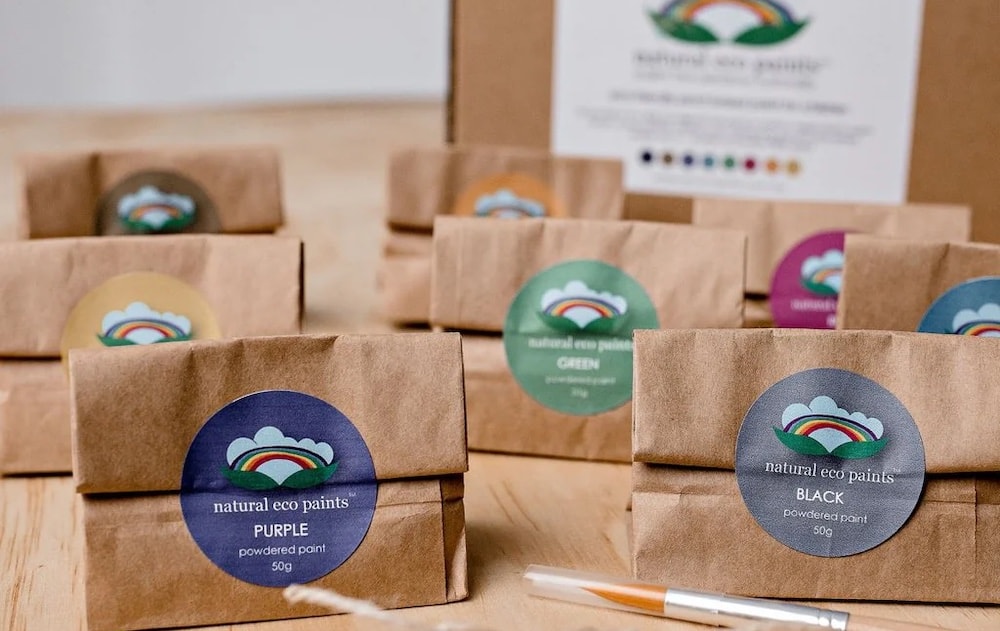
5. DIY craft kits
Sustainable craft kits designed for toddlers often include recyclable or biodegradable materials, such as paper, cardboard, or plant-based paints. These kits are an excellent way to combine creative play with eco-conscious values. A great place to start is the Eco Crayons Eco Art and Craft Paint Kit.
How it’s beneficial:
- Creativity: Encourages imaginative thinking and hands-on exploration.
- Cognitive skills: Introduces concepts like recycling and upcycling.
- Environmental impact: Promotes mindful use of materials and reduces waste.
Best for: Ages 2–3. While younger toddlers may need help, older ones can enjoy more independence with simple craft projects.
Where/how to use: Best for indoor use. Set up a designated crafting area to contain any mess.
6. Planting kits for kids
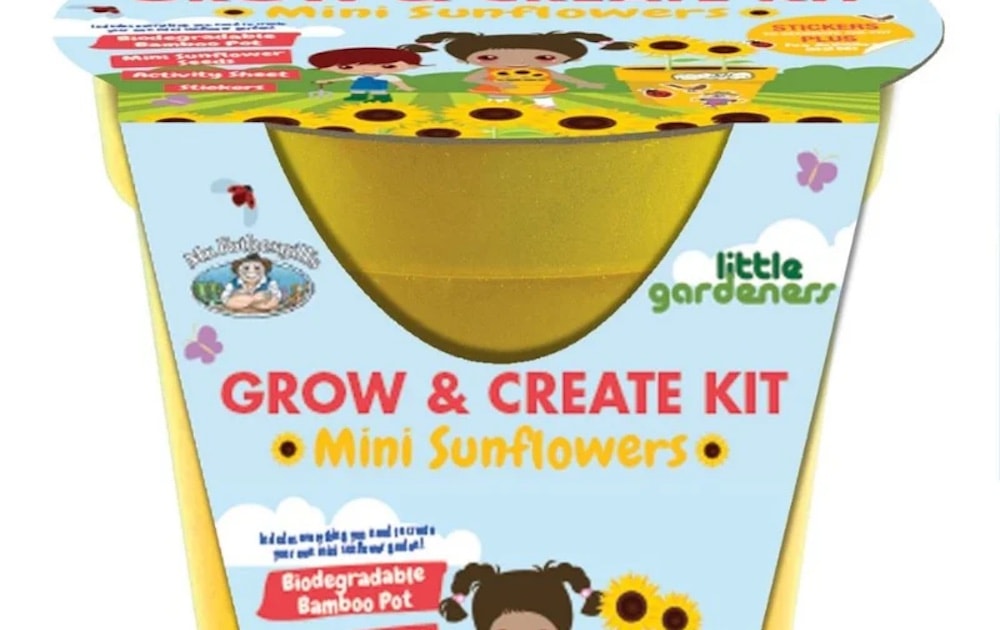
Introduce toddlers to gardening with planting kits that include seeds, soil, and child-sized tools. They’re designed to teach kids where food or flowers come from while engaging their senses. The Little Gardeners Grow and Create kits are lovely budget-friendly gift options for little kids.
How it’s beneficial:
- Sensory development: Hands-on interaction with soil, seeds, and water.
- Emotional development: Fosters patience and responsibility as they care for their plants.
- Environmental impact: Teaches sustainability and the importance of nurturing nature.
Best for: Ages 2–3. Younger toddlers may enjoy planting with help, while older ones can take more responsibility for watering and tending.
Where/how to use: Best for outdoor gardens, balconies, or even small indoor planters.
Wrapping it up
For all the joy and fun they bring, the toddlers in our lives deserve to get some joy back.
Whether you’re buying for your own kid, a tiny family member, or the cutest neighbour on the street – we reckon they’ll love any of these great gifts.
Loved this article?
Share with a friend